
Підсумкова контрольна робота з англійської мови 9 клас екстернат ND А2 (екстернат)






Vocabulary
play
Vocabulary
do
Vocabulary
tourist
taxi
Vocabulary
Where are the people?
Look at him on stage. Isn’t he great?
Vocabulary
Where are the people?
He dribbles and scores a goal!
Vocabulary
Where are the people?
I didn’t enjoy the rides. I was afraid all the time.
Vocabulary
Where are the people?
I don’t believe it. Look at this queue. We won’t play after all
Vocabulary
I went to the shopping centre and there was a______ on most products.
Vocabulary
What do you mean you forgot to _______ a room? I don’t believe it.
Vocabulary
The director was really surprised by the______ of the film.
Vocabulary
The band played all their best songs and did not ____their fans.
Vocabulary
You promised to come to the concert with me so don’t ____me____ .
Vocabulary
You should _____ that new place. It’s great!
Vocabulary
He is a very nice person in real life but in films he always plays the ____ .
Grammar
If it ____(rain), we ____(not / go) out.
Grammar
If you _____(want) to come home late, _____ (ask) your parents.
Grammar
We ____ (go) swimming if the weather____ (be) warm.
Grammar
If she ______ (get) scared, she_____ (cry).
Grammar
A: I’m going to the beach next Sunday.
B:____________ .
Grammar
A: I don’t know how to swim.
B: _______ .
Grammar
A: I have been to the theatre lots of times.
B:______ .
Grammar
Complete the sentences with the Present Perfect Simple or the Present Perfect Progressive of the verbs in brackets.
____ you _____ (ever / be) windsurfing?
Grammar
Complete the sentences with the Present Perfect Simple or the Present Perfect Progressive of the verbs in brackets.
She _____(always / want) to become a scientist. She ______(work) for NASA for the last ten years.
Grammar
Complete the sentences with the Present Perfect Simple or the Present Perfect Progressive of the verbs in brackets.
They ______ (perform) this play for two years. They____ also____ (tour) Europe for three months.
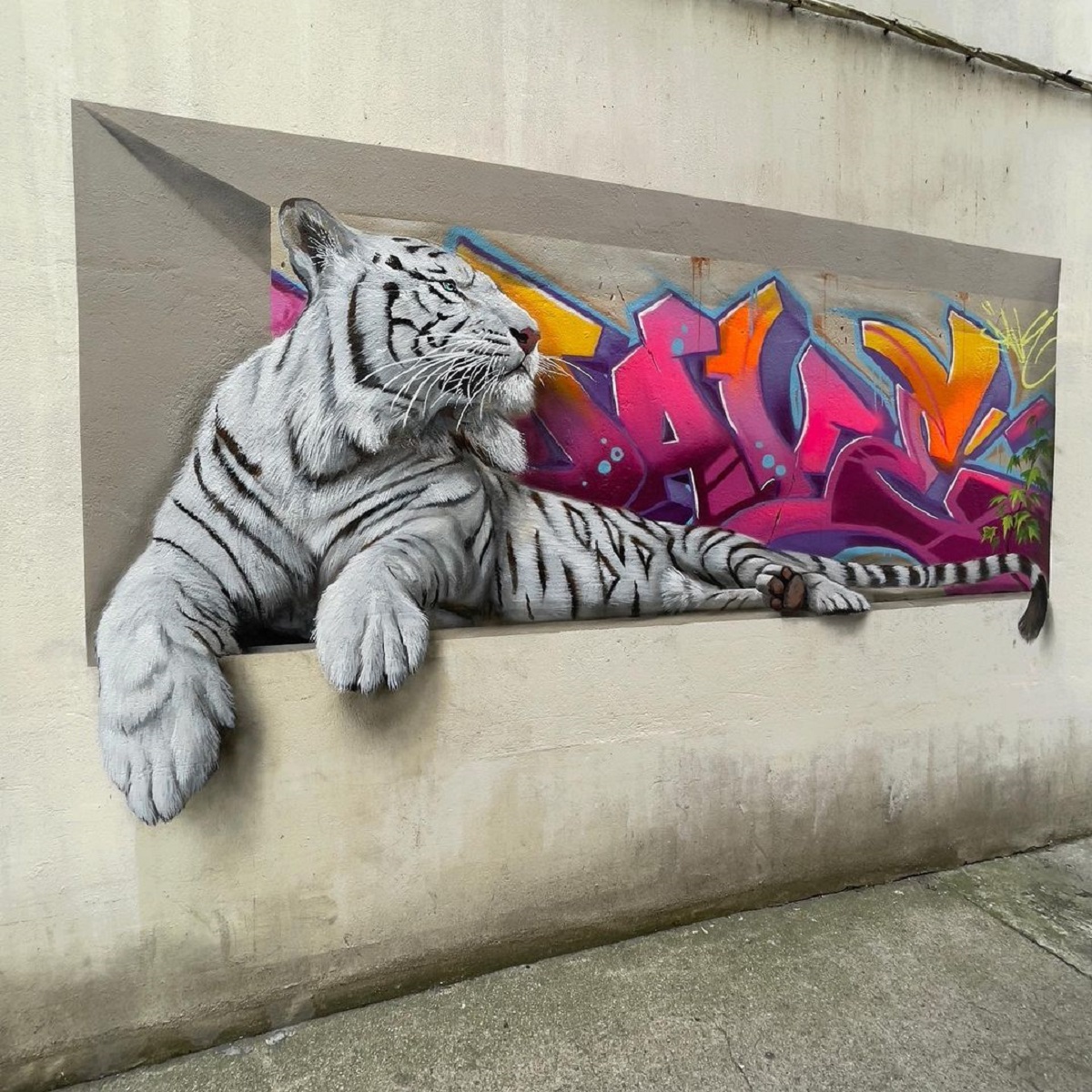
The History of Graffiti
The first drawings on walls appeared in caves thousands of years ago. Later the Ancient Romans and Greeks wrote their names and protest poems on buildings. Modern graffiti seems to have appeared in Philadelphia in the early 1960s, and by the late sixties it had reached New York. The new art form really took off in the 1970s, when people began writing their names, or ‘tags’, on buildings all over the city. In the mid seventies it was sometimes hard to see out of a subway car window, because the trains were completely covered in spray paintings known as ‘masterpieces’.
1. Why was the seventies an important decade in the history of graffiti?
The term ‘graffiti’ was first used by The New York Times and the novelist Norman Mailer. Art galleries in New York began buying graffiti in the early seventies.
2. Who coined the phrase 'graffiti'?
But at the same time that it began to be regarded as an art form, John Lindsay, the mayor of New York, declared the first war on graffiti. By the 1980s it became much harder to write on subway trains without being caught, and instead many of the more established graffiti artists began using roofs of buildings or canvases.
3. How did things change after the first war on graffiti?
The debate over whether graffiti is art or vandalism is still going on. Peter Vallone, a New York city councillor, thinks that graffiti done with permission can be art, but if it is on someone else’s property it becomes a crime. ‘I have a message for the graffiti vandals out there,’ he said recently. ‘Your freedom of expression ends where my property begins.’
4. What does New York city councillor Peter Vallone say about graffiti?
On the other hand, Felix, a member of the Berlin-based group Reclaim Your City, says that artists are reclaiming cities for the public from advertisers, and that graffiti represents freedom and makes cities more vibrant.
5. What do the Berlin-based group Reclaim Your City say about graffiti?
For decades graffiti has been a springboard to international fame for a few. Jean-Michel Basquiat began spraying on the street in the 1970s before becoming a respected artist in the ’80s. The Frenchman Blek le Rat and the British artist Banksy have achieved international fame by producing complex works with stencils, often making political or humorous points. Works by Banksy have been sold for over £100,000. Graffiti is now sometimes big business.
6. What is the author's final point?

Створюйте онлайн-тести
для контролю знань і залучення учнів
до активної роботи у класі та вдома





 Зареєструватись за допомогою Google