Опубліковано

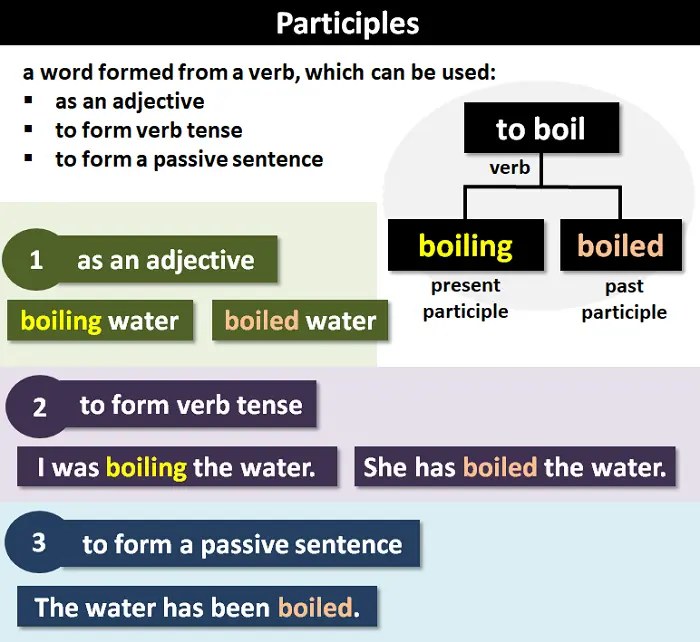
Participles

Англійська мова 11 клас 6 запитань
Додано
22 жовтня
Предмет
Англійська мова, 11 клас
Тест виконано
1 раз

Робота з учнями результати зберігаються

Режими пройти самостійно — результати не зберігаються

Тестування 6 запитань Флеш-картки автору й сертифікованим Відповідності автору й сертифікованим Телевікторина 6 запитань Лови правильну 6 запитань Знайди пару автору й сертифікованим Знайди відповідь автору й сертифікованим Літачок 2 запитання Лабіринт 2 запитання
Роздрукувати: Тест Знайди пару Картки

6 запитань

1 Запитання 1 Одна правильна відповідь

• Not very common in spoken English but very popular in written English (particularly in a literary, academic or journalistic style).

• They allow us to express condition, reason, cause, result or time similarly to full adverbial clauses, only with fewer words.

• We can use them when both clauses have the same subject.

варіанти відповідей
  • Gerund
  • Participle clauses
  • Shibal
  • Defining clauses
2 Запитання 2 Кілька правильних відповідей

What are the three types of participles?

варіанти відповідей
  • Present (going, reading, seeing, walking, etc.)
  • Past (gone, read, seen, walked, etc.)
  • Perfect (having gone, having read, having seen, having walked, etc.)
  • Simple
  • Hard
  • Continuous
3 Запитання 3 Одна правильна відповідь

• This is one of the most common participle clauses. We can use them to refer to the present or the past.

• They have a similar meaning to active verbs.

Being such a great singer, she didn't have problems finding a job.

Talking to you, I always feel better.

варіанти відповідей
  • Past (gone, read, seen, walked, etc.)
  • Perfect (having gone, having read, having seen, having walked, etc.)
  • Simple
  • Present participle clauses/-ing
4 Запитання 4 Одна правильна відповідь
The fog is coming
варіанти відповідей
  • Yes
  • No
  • Get out
5 Запитання 5 Одна правильна відповідь

• These usually replace a sentence with a verb in the passive voice.

• They can often be replaced by relative clauses.

Impressed by the painting, John praised the artist. (=He was impressed by the painting.)

John, who was impressed by the painting, praised the artist.

варіанти відповідей
  • Present (going, reading, seeing, walking, etc.)
  • Past participle clauses/-Ed/third column
  • Perfect (having gone, having read, having seen, having walked, etc.)
  • The fog is c
6 Запитання 6 Одна правильна відповідь

• These are used to emphasise that one action was previous to another.

• These clauses are commonly used to express the cause of a second action.

• They can be structured to make an active or passive meaning.

Having finished their training, they will be fully qualified doctors.

Having been made redundant, she started looking for a new job.

• It's common to have the passive structure having been + past participle as an alternative to a since-clause (reason):

Having been unemployed for so long, he felt he would never find a job. (=Since he had been...)

варіанти відповідей
  • Perfect participle clauses/Having + -ed/third column
  • t̴̡̗̩̩̗̿̆̈́h̶̡͖̦̦̣͓̺͙͂̏e̴̝̲̜̜̪̜̾͂̑̊̄̑̚ ̷̦̥̱̝̮̟͈̬̫͚̤̥̫̠͇̑̈́̄̒͘͠f̴̧̮͙̣͈̲̫̑̀̑͛̈́̈͠͝ͅo̵̢͙͔̲̪͈͕͎̖̝̪͉̒g̶̡̠̜̺̩̤̤̠͓̗͉̲͐̌͊̉̎̈́͘͜͠
  • 2̵̡͎́͂̂̽̊̿͐͆͛0̶̰̣̩̎̔̐̋͌̈́̋̔̆̐͂̉̕͝4̷̧̯̤̼̖̠̬̳̦̠̒̌͊́̾͗̅̚͜3̷̢̭̻͖̭̥͎͖̞̘̻͚́̅͐̒̅́̋͌͘͝0̷̢̲̣̭̯̠̘̏̌͊̅̉̀̇̀̅̎̈́̕͜͜
  • P̵̢̛͖̭̟̱͎͇̓̀͗́̂̕͜e̵͕̯̊̽̉r̸̜̻͗̉̈́͌v̴̩̱̩̥̲̩̫͋̀̍̈̐͜͝ḛ̵̮̱̹̠͇͊͐͂̚͜n̸͖͉̯̪̓̓͑͂́ĭ̷̧̧̛̗͓̣̙̺̉̍̌̐t̴̝̺̠̼̣̓ ̵̫͉̹̖̇ḁ̶̢̳̓̾̉̎̈́͛̇̀͜ú̴͖̠̭̼̳̬̦̑̃͋͂͝t̶̨͓̙͕̭͙̂̒̇͐̑ę̴̤͂̌m̶̝̩̺̍ ̷̡̹̖̮͈͍̙̿̌͂̆̉͌̀ͅD̴̢̡̰̲̤̘͛ͅę̵̨̮̥̭̞̹͆̇̌̊͒̉r̸̛̺̲̳̊̈́̾́̐̕̕b̴̦̣͓͕̳̔͒̅͊́́͘e̶͇̱̥̬͉͙͚̮̓̎̐͆͒̾͒ḿ̶͙̲̟̭̟͚͚̅͑ ̴̱̜͔̈́̾̎͋́͊̚e̷̤̙̼͒̃̒͋̅̋̊͠ţ̴͕͎͖̭̘̠̾ ̵͖̣̐̇̇̇̿͘̚͝L̶̝̣̝̫̪̝̾̉̂͜͝͝ỹ̴͔͝ṡ̵̛̛̲̘͖̘̺̞͎͇̿͗ṭ̷͚̂͜r̶̡̫͖̟̬̤̈͗a̵̻͔͙̞͓̅̚m̵̳͉̫͌͆̈́̚͠:̶̡̭͔̤͗̃͊ ̷̗̿̓́̋ḗ̸̺̪͔͒̄ţ̷̮̒̋̒̔͌̏́ ̵̢̢͇͓̥̦̎͋̀̋̀́̈e̴̥͕̜̒c̷̡̘̫̹͛͗͋͂̓̅c̷̖̘͉̍̇͐̌͜͝e̷̛͔̰̳̗̫̘̝͑͐͛̆͋͑͛͜ ̷̧̣̻͈̳͔͊̑̀͘d̴̼̥̜̳̎̈́́̅̌̓̈̈́ḯ̶̧̛̬̲̬̙͍̰͐̈́̈́͊ś̵̺͍̲͎c̴̡̱̰̠̟͓̱͆̈́͂͜i̵͈͒-̵͉̖̄ ̸̧̛̛͇̟̮̾̔̈́u̵̡̡̜̻̗͖͂l̷̯̞̦̲̀͑̎ŭ̴̳̯̲̖̪̣͑́̍s̸̛̟͈̯̜̒ ̷͙̗̓͠q̵͎͍̙̣̈́͆͗́̓͊͛ṳ̷̀̉̃ͅi̸̧̩̮̩̅͆́̕ḍ̷̗̺͙̺̌̔͌̾͒͛͝ä̵̹́́̊m̵̜̭͙̤͎̍̆̈́͝ ̵̢̯͓̟̽̽e̴͔͇͙̱͛̋̎̃̎͘ͅr̸͔̊́̕a̷͓̳͓̩̹̥̞̘͝t̸̡̨̝͈͉̣̘̉̀̀͑ͅ ̸̛̣͔̀͛̀̽̏į̷̪̏̋b̸̹̐̂̊͂͝͝i̸͙̜̇̆̂̏̊͝͝ ̷͇͎̳̑̈́͐n̴͙̎̏͆͛͑o̵̝͎͚͔͇͓͋͑́̂̆̌͠ḿ̸̢̦̥͎̂͋̉̓͜ḭ̴̎͠ͅn̴̟̰̖͒̈́̉͠ė̴̬̮̯̉͑ ̸̗̲͎̣̃̄̈́̊͐͑̓T̴͐͛͜ị̷̱̀͐̂̾̓̿m̷̧̗̼̞̺̅̒͝ͅơ̶̢̪͛̊̊͝ẗ̵̪̺̳͑͌͊̉̑̕h̸͇̪̿̄̇͋͐͠é̸̞̼͎̤̅́͋ů̶͈̬̗̠̯͙̝̯̊̏͐͐s̸̟̬̟̯̝̫͉͓͛̎̍̎̀̇,̵̼͊̏͆̾̉͋͒͠ ̵̯̔ḟ̷̳̮̩̜͙̾̔i̶̪̫̖̣̜͆͌̀̈́l̸̨̢̙͔̤̣̳͇̈́i̷̧̚ų̴̯̪̝̹͐̂̈̔̃̑̒s̴͔̝̩̥͓͙͈̟͛̍͗̋̄̎̕͠ ̵̬̝̲̹̓̋̾͋̅̏ċ̴̰̗̜̠͔̱͓̬͘ṷ̵̢̣̭͈͔͖̈̔ḯ̸̺̝̙̤̽̾̚͝u̵͈̮̅͆͝s̵͈̖͆d̸̡̤̹͚͕̱̝̓̿̂͊̑͋a̴̓̓̄̍ͅm̴̢̠̼̻̭͖̦̃͗̇͝ ̷̖͖͊͆n̶͚̜̥̟̳͚̺͇̎͝ų̷̧͍͑̀͂́̉̅͊ͅl̴̛̩̟̹̙̙̐̄ĭ̴̼̜̫̱̱̫͈̏̊̏̏e̵̛̘̙͉̪͑͒͗̓̆̍͠r̵̨͔̝̼̰̬͈̣̂̏ḯ̷̖̙̯̈́s̶̫̻̩̟̜͚̤̰̈́̏̏͝ ̵̛̮̯͎̲̆̎̇̃͌͛I̵̫̜̍̈́̍͆͆̈̚ṳ̴̧̢̨͍̝̻̬͌̋̅̾͒̕d̵̬̥̤̝̬̱̒̑̃́̀̋͘ǎ̸̢͍̩̤͕̟̞̪̉̏̑̃̋̕͝ȩ̵̩̖̭̍̑̅̋̕ã̴͔̪͇̘͚̦̰̐̈́͆ē̴̛̪͇̄̿̈́ ̷͔̓̂̓͌͒͊͂͘f̸̝͔̰̟͇̱̭̊̃́͑̅̒̉̀ȉ̴̩͋͛͊d̵̥͈͂̊̓̀͝͝͠ȇ̵̜̍̏́̈̔͛̉͜l̵̘͕̯̖̇̊̔̕i̷̦͎̅͛s̵̩̼̀,̴̻̘̬͌̃͜ ̸̪̂̎̓p̸̨͈̣͔̝̳͈̙̃̉͒̂͂̓͝a̸̢̼̩̿̊̄̑̐͘t̶̨̲̰̥̰̙͙͇͛r̴̢̥̲̪͈̱̆̂̍͜͝ͅe̸͙͗̅̃͌̈̄̉̀ͅ ̶͇̥̖̫̤̹̤̓ͅả̵͉̌̀̈́͑̔̅ư̸̛̬̖͉̠̪͐̄̏̿́̚t̶̗̾̔ḙ̵̢̧̇̂͋͋̓̉̅͘m̴͓͘ ̸̧̨̤̜̱̦͉̥͝G̶̛̻̓̆̂͑̅͝͝r̵̺̰̟̜͈̤̐͜͠a̸̢̗͎̖͖̲͐͋͊̎̎̕̕e̸̥̩͙͕̲̜̽́̇́̌̿͜c̵͚̜̟͊̊o̵̜̞̼̦͓̐.̷̹̼̩̭͖͇̰̠́͒̄̇̔ ̸̩́̾͝͠͝2̸̪̱̜̈̈́̈̓̓.̷̢̧̞͑̇̀̚͝ ̶͂̎͆ͅḤ̸͍̽̇ͅi̵͈͙̹̍̒͜ͅͅc̶̛͚͙̭̬̹͈͎͉̉̈͗̈́̀̑ ̴̡̱͈̙̼̟̜̪̈́̑͒͑̓̽͘͘t̸̛͉́͐͘ê̷̱̲͔̹͊̂͋̀̔͘͠s̵̻̙͒̅͒̇̾̅͆̉͜ṱ̵̈́̎̓́͂͜i̵̧̹̖͙͎͎͈͉͐̓̀̐͒͠-̷͉̮̀̌͋̽̎͛

Створюйте онлайн-тести для контролю знань і залучення учнів до активної роботи у класі та вдома

Створити тест