
The Importance of Using Artificial Intelligence in English Language Lessons

The Importance of Using Artificial Intelligence in English Language Lessons
In recent years, Artificial Intelligence (AI) has become one of the most transformative technologies in education. From chatbots and voice assistants to smart content creation and image generation, AI offers powerful tools that can enhance the learning process and create more engaging, personalized, and effective English language lessons. The integration of AI in the classroom is no longer a trend – it is a necessity in preparing students for the modern, digital world.
1. Motivation and Engagement
One of the greatest benefits of using AI in English lessons is the boost in motivation and engagement. Traditional textbook-based lessons often lack interactivity and creativity. AI tools such as image generators (e.g. DALL·E or Canva AI), AI writing assistants, or chatbots like ChatGPT can make learning more dynamic and interesting. When students see their ideas come to life through AI-generated pictures or stories, they feel more involved and inspired to participate.
2. Personalized Learning
AI allows for a highly personalized learning experience. Unlike one-size-fits-all teaching methods, AI tools can adapt to the individual needs and pace of each student. For example, an AI writing assistant can help students with different language levels correct their grammar or suggest improvements in real time. This supports differentiated instruction and helps every learner progress at their own level.
3. Development of 21st Century Skills
Incorporating AI into the classroom helps develop essential 21st century skills, such as digital literacy, critical thinking, creativity, and problem-solving. As students interact with AI, they also learn how to use modern technology responsibly and effectively. These skills are crucial not only for language learning but for their future education and careers in a tech-driven society.
4. Support for Teachers
AI is not a replacement for teachers – it is a powerful assistant. It can help teachers save time on routine tasks such as checking grammar, generating texts or ideas, preparing personalized assignments, and creating visual materials. This gives teachers more time to focus on communication, feedback, and deeper student interaction.
5. Real-World Context
Using AI in English lessons connects students to the real-world use of the language. For example, asking an AI chatbot questions in English is similar to how students will use English in online communication or international environments. This makes language learning more practical, authentic, and meaningful.
6. Creative Expression
AI tools unlock a new level of creative expression. Students can design their own stories, characters, or visual scenes using English prompts. For instance, a student might write: “Create a picture of a healthy lunch with fruit and vegetables” – and AI instantly generates it. This encourages them to think in English and use vocabulary in context, while also having fun.
7. Accessibility and Inclusivity
AI can also help make lessons more inclusive. Students with different learning needs, including those with dyslexia, language delays, or limited access to materials, can benefit from tools like text-to-speech, speech-to-text, and visual support generated by AI. It opens new opportunities for learners who might otherwise struggle in a traditional classroom setting.
Conclusion
The use of Artificial Intelligence in English language lessons is a powerful way to modernize teaching, make learning more enjoyable, and prepare students for the challenges of the future. It empowers both teachers and students, supports creativity, enhances communication skills, and connects classroom learning with real-life applications.
As educators, we have the responsibility to embrace new tools and guide our students in using them wisely. When AI is used thoughtfully and ethically, it becomes not just a tool – but a bridge to a more meaningful, engaging, and effective language learning experience.

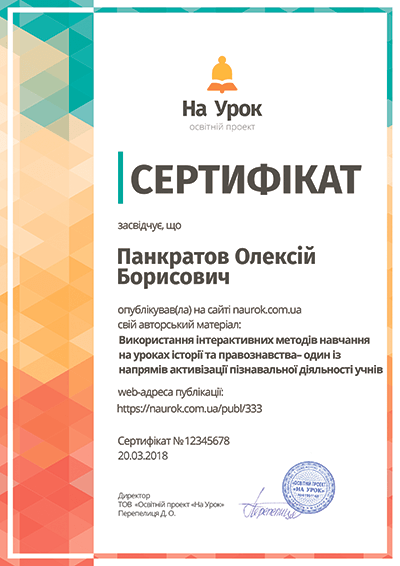
про публікацію авторської розробки
Додати розробку