
Конспект уроку-презентація "Technological progress and the environment"
матеріал презентації містить нові лексичні одиниці та приклади вживання, діолог на тему The impact of technological progress and human activity on the environment

The impact of technological progress and human activity on the environment
«Вплив технічного прогресу та діяльності людини на довкілля»
|
Словосполучення / Слово |
Транскрипція |
Переклад |
|
Technical progress |
[ˈteknɪkl ˈprəʊɡres] |
технічний прогрес |
|
Environmental problems |
[ɪnˌvaɪrənˈmentl ˈprɒbləmz] |
екологічні проблеми |
|
Overconsumption |
[ˌəʊvəkənˈsʌmpʃn] |
надмірне споживання |
|
Carbon dioxide |
[ˈkɑːbən daɪˈɒksaɪd] |
вуглекислий газ |
|
Greenhouse effect |
[ˈɡriːnhaʊs ɪˈfekt] |
парниковий ефект |
|
Deforestation |
[ˌdiːˌfɒrɪˈsteɪʃn] |
вирубка лісів |
|
Natural habitats |
[ˈnætʃrəl ˈhæbɪtæts] |
природні середовища існування |
|
Fertilizers |
[ˈfɜːtəlaɪzəz] |
добрива |
|
Radioactive contamination |
[ˌreɪdiəʊˈæktɪv kənˌtæmɪˈneɪʃn] |
радіоактивне зараження |
|
Renewable energy |
[rɪˈnjuːəbl ˈenədʒi] |
відновлювана енергія |
|
Recycling |
[ˌriːˈsaɪklɪŋ] |
переробка (вторинна) |
|
Nature conservation |
[ˈneɪtʃə ˌkɒnsəˈveɪʃn] |
збереження природи |
1. Nowadays, technical progress has a dual nature because it brings both comfort and environmental problems.
2. Rapid industrial development leads to the overconsumption of natural resources.
3. Modern factories and plants emit enormous amounts of carbon dioxide into the atmosphere.
4. Air pollution from transport and industry is the main cause of the greenhouse effect.
5. Global warming results in the melting of glaciers and a rise in sea levels.
6. Human activity is responsible for the massive deforestation of our planet’s "green lungs".
7. Cutting down trees destroys the natural habitats of many rare species of animals.
8. Water pollution occurs when chemical waste is dumped into rivers, lakes, and oceans.
9. Many marine animals die because of the huge amount of plastic waste in the water.
1. The intensive use of fertilizers in agriculture harms the quality of the soil.
2. Technical progress has led to the creation of dangerous electronic waste that is hard to recycle.
3. Radioactive contamination remains one of the most serious threats to human health and nature.
4. Overpopulation and urban growth put a lot of pressure on the local ecosystems.
5. People must realize that our natural resources are not infinite and should be protected.
6. To save the planet, we need to switch to renewable energy sources like wind and solar power.
7. Sorting rubbish and recycling are simple steps every student can take to help the environment.
8. Governments should implement stricter laws to control industrial emissions and waste.
9. Only by working together can we find a balance between technological progress and nature conservation.
Dialogue: The Price of Progress
Anna: Hi, Viktor! I’ve been thinking about our next English project. What do you think about technical progress?
Viktor: Hi, Anna! Well, I believe it has a dual nature because it brings both comfort and environmental problems. For example, rapid industrial development leads to the overconsumption of natural resources.
Anna: I agree. Modern factories emit enormous amounts of carbon dioxide into the atmosphere , which is the main cause of the greenhouse effect.
Viktor:Exactly! And we can see the results: global warming leads to the melting of glaciers and a rise in sea levels. It’s scary how human activity is responsible for the massive deforestation of our planet.
Anna: True. Cutting down trees destroys the natural habitats of many rare species. Also, think about the oceans. Many marine animals die because of the huge amount of plastic waste in the water.
Viktor: So, what can we do? People must realize that our natural resources are not infinite. To save the planet, we need to switch to renewable energy sources like wind and solar power.
Anna: You are right. Even simple steps like sorting rubbish and recycling can help the environment.
Viktor: I hope that by working together we can find a balance between technological progress and nature conservation.
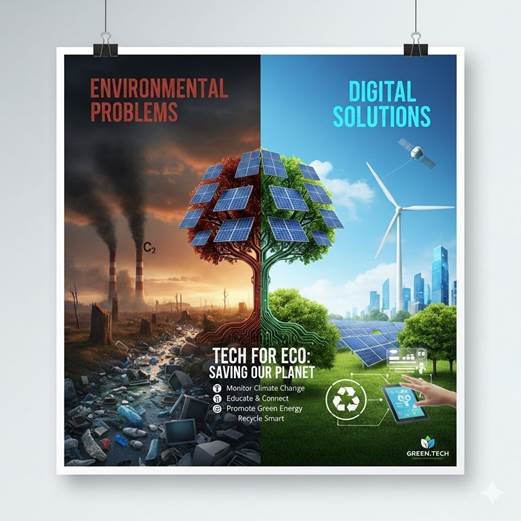 Плануйте структуру: Розділіть своє есе на три обов’язкові частини: вступ (Introduction), основна частина (Main Body) та висновок (Conclusion). Чітко формулюйте тезу: У першому абзаці обов'язково зазначте головну ідею вашого твору, щоб читач одразу зрозумів вашу позицію щодо проблеми.
Використовуйте слова-зв’язки: Щоб текст був логічним, додавайте сполучні вирази, такі як Firstly, Moreover, On the other hand та In conclusion. Аргументуйте свою думку: Кожен абзац основної частини має містити один вагомий аргумент та приклад, що його підтверджує. Дотримуйтесь академічного стилю: Уникайте скорочень (пишіть do not замість don't) та розмовних слів, намагайтеся використовувати тематичну лексику.
Перевіряйте написане: Після завершення роботи обов’язково перечитайте есе, щоб виправити можливі граматичні помилки та переконатися, що ви розкрили тему.
Linking Words & Phrases 1. Для вступу (Stating the Topic)
● Nowadays... — У наші дні...
● It is widely believed that... — Широко поширена думка, що...
● In today’s world, the issue of... is very important. — У сучасному світі питання... є дуже важливим.
2. Для структурування думок (Ordering Points)
● First of all / Firstly... — Перш за все / По-перше...
● Secondly / Thirdly... — По-друге / По-третє...
● Furthermore / Moreover... — Крім того / Більше того (використовуйте, щоб додати новий аргумент).
● In addition to this... — На додаток до цього... 3. Для наведення прикладів (Giving Examples)
● For instance / For example... — Наприклад...
● Such as... — Такий як... (наприклад: ...renewable energy sources such as wind and solar power.) ● In particular... — Зокрема...
4. Для вираження контрасту (Showing Contrast)
● On the other hand... — З іншого боку...
● However... — Проте... / Однак...
● Despite this... — Незважаючи на це...
5. Для показу причин та наслідків (Reason and Result)
● Due to... / Because of... — Через... / Завдяки...
● As a result... — Як результат... / Внаслідок цього... ● Therefore... — Тому... / Отже...
6. Для висновку (Concluding)
● To sum up... — Підсумовуючи...
● In conclusion... — На закінчення...
● All things considered... — Враховуючи все вищесказане...
The Digital Shield: How Technology Saves Our Planet
In the modern world, the impact of human activity on the environment has reached a critical point. While rapid industrial development has led to the overconsumption of natural resources and massive deforestation, we now have a powerful tool to fix these mistakes. Modern communication and computer technologies are not just symbols of progress; they are essential for nature conservation.
First of all,computer technologies allow us to monitor environmental changes with incredible precision. For instance, scientists use satellite data to track the melting of glaciers and the rise in sea levels caused by global warming. Computer modeling helps predict the consequences of air pollution and the greenhouse effect. This data is vital for governments to implement stricter laws and control industrial emissions.
Secondly, the internet and modern means of communication play a key role in education. Today, people can quickly learn that our natural resources are not infinite and must be protected. Through social media, environmental organizations spread information about the dangers of chemical waste in rivers and plastic waste in the oceans. This global connectivity encourages every student to take simple steps, such as sorting rubbish and recycling.
Finally,technical progress has provided us with green solutions. Computers are used to manage renewable energy sources, like wind and solar power, making them more effective. Even the problem of electronic waste is being addressed through new high-tech recycling methods.
In conclusion,although human activity has harmed the Earth, technological progress gives us a chance to restore the balance. By using smart technologies and global communication, we can protect natural habitats and ensure a green future for the next generations.
|
Слово / Вираз |
Транскрипція |
Переклад |
|
Overconsumption |
[ˌəʊvəkənˈsʌmpʃn] |
надмірне споживання |
|
Deforestation |
[ˌdiːˌfɒrɪˈsteɪʃn] |
вирубка лісів |
|
Nature conservation |
[ˈneɪtʃə ˌkɒnsəˈveɪʃn] |
збереження природи |
|
Glaciers |
[ˈɡlæsiəz] |
льодовики |
|
Global warming |
[ˈɡləʊbl ˈwɔːmɪŋ] |
глобальне потепління |
|
Air pollution |
[eə pəˈluːʃn] |
забруднення повітря |
|
Greenhouse effect |
[ˈɡriːnhaʊs ɪˈfekt] |
парниковий ефект |
|
Infinite |
[ˈɪnfɪnət] |
безкінечний, безмежний |
|
Chemical waste |
[ˈkemɪkl weɪst] |
хімічні відходи |
|
Plastic waste |
[ˈplæstɪk weɪst] |
пластикові відходи |
|
Sorting rubbish |
[ˈsɔːtɪŋ ˈrʌbɪʃ] |
сортування сміття |
|
Recycling |
[ˌriːˈsaɪklɪŋ] |
переробка |
|
Renewable energy |
[rɪˈnjuːəbl ˈenədʒi] |
відновлювана енергія |
|
Electronic waste |
[ɪˌlekˈtrɒnɪk weɪst] |
електронні відходи |
|
Natural habitats |
[ˈnætʃrəl ˈhæbɪtæts] |
природні середовища існування |
Домашнє завдання
Написати есе на одну з тем.
● Тechnology: A Friend or an Enemy of Nature? (˹˼̂ô˾ò˾ì̆̇í˿́ìùðë˾˿˾ìõ˿ð˿˾íð# ƃõ˿˾mõ˾íë̆˽ốõ˿ð˿˾í́|õ˿˾ì˿˼̀́
● Saving the Earth in the Digital Age ˷āö́ăó˾Û˼óòĀëøð÷˿˾ë́˼õ˾̂́ ƃõ˿˾˿˾òþ ñ˾óõĀö˼˿̆ëö˻ñ˾ó́ô̆ñ˻ø̆˽́ëð˿̆ú˼ôô̆˼ñ˾ò˾ì̆ùôð̂õ˿˾êò˼ó
● Modern Progress and Environmental Challenges ˸́ù˻̀ôð˽õ˿˾ì˿˼̀ö˻˼ñ˾ò˾ì̆ùô̆ ëðñòðñð

про публікацію авторської розробки
Додати розробку