
Презентація "How do people destroy our planet"

Water problems: Water covers 70% of our planet, and it is easy to think that it will always be plentiful. However, freshwater—the stuff we drink, bathe in, irrigate our farm fields
with—is incredibly rare. Only 3% of the world’s water is fresh water, and two-thirds of that is tucked away in frozen glaciers or otherwise unavailable for our use.
As a result, some 1.1 billion people worldwide lack access to water, and a total of 2.7 billion find water scarce for at least one month of the year. Inadequate sanitation is also a problem
for 2.4 billion people—they are exposed to diseases, such as cholera and typhoid fever, and other water-borne illnesses. Two million people, mostly children, die each year from diarrheal diseases alone.
Many of the water systems that keep ecosystems thriving and feed a growing human population have become stressed. Rivers, lakes and aquifers are drying up or becoming too polluted to use. More than half the world’s wetlands have disappeared. Agriculture
consumes more water than any other source and wastes much of that through
inefficiencies. Climate change is altering patterns of weather and water around the world, causing shortages and droughts in some areas and floods in others.
At the current consumption rate, this situation will only get worse. By 2025, two-thirds of the world’s population may face water shortages. And ecosystems around the world will suffer even more.
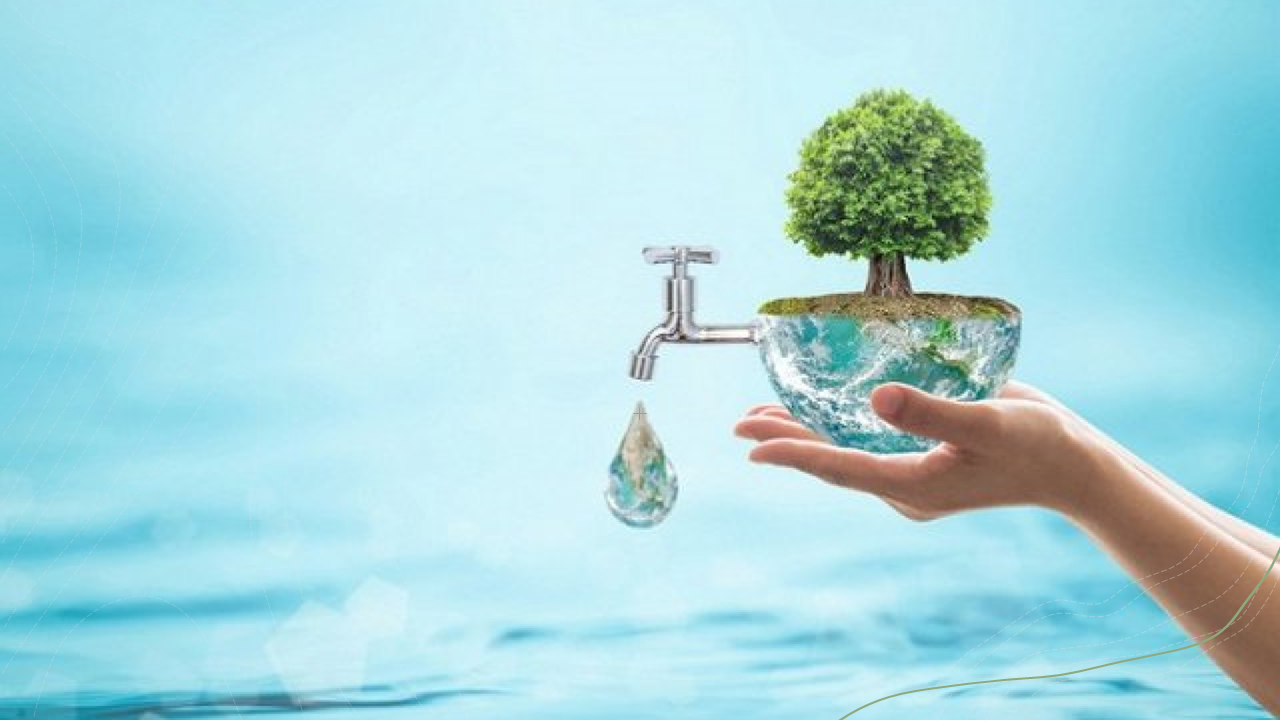 The way out of the situation may be the creation of artificial wetlands. In itself, the use of such solutions is a fairly cheap and reliable way to solve the problem of water scarcity, the report said. In addition, more economical use of water in agriculture could increase world food production by 20 percent, according to UNESCO.
Destruction of rainforests:
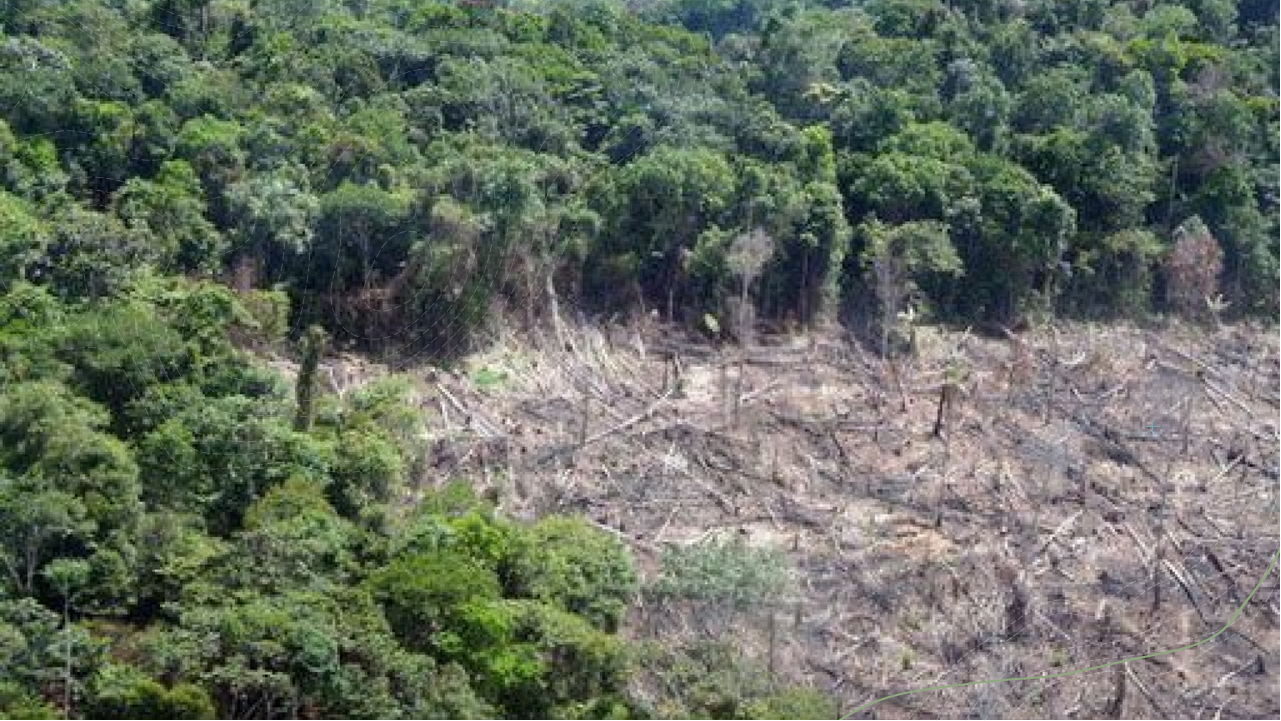 Almost all tropical forests are located in third world countries. The local population considers the forest a source of income. The sale of industrial timber finances hospitals and schools, as well as supports the economic development of countries. The number of people on our planet is constantly growing. To survive, people need food and cultivated land, and they must use wood to build and heat their homes. Forests are being cut down around each new settlement, and land is being given to agricultural fields. As soon as the land ceases to be productive, people move further into the depths of the forests. 300 million people annually destroy seven million hectares of forest. More importantly, the atmosphere on which we depend is to some extent the result of nitrogen and carbon dioxide exchange. This exchange occurs in tropical plants, which convert sunlight into energy. Therefore, tropical forests are sometimes called the "lungs" of the Earth. Rainforests absorb a lot of solar energy. Now that they are being destroyed en masse, the Earth's ability to reflect the sun's rays is changing. And this disrupts heat transfer and leads to changes in weather conditions and precipitation, which, in turn, affects climate change around the world.
Thus, the destruction of forests and their wildlife is not always the result of
overpopulation. Rather, it is the result of greedy commerce, crime, bad leadership, and state corruption.
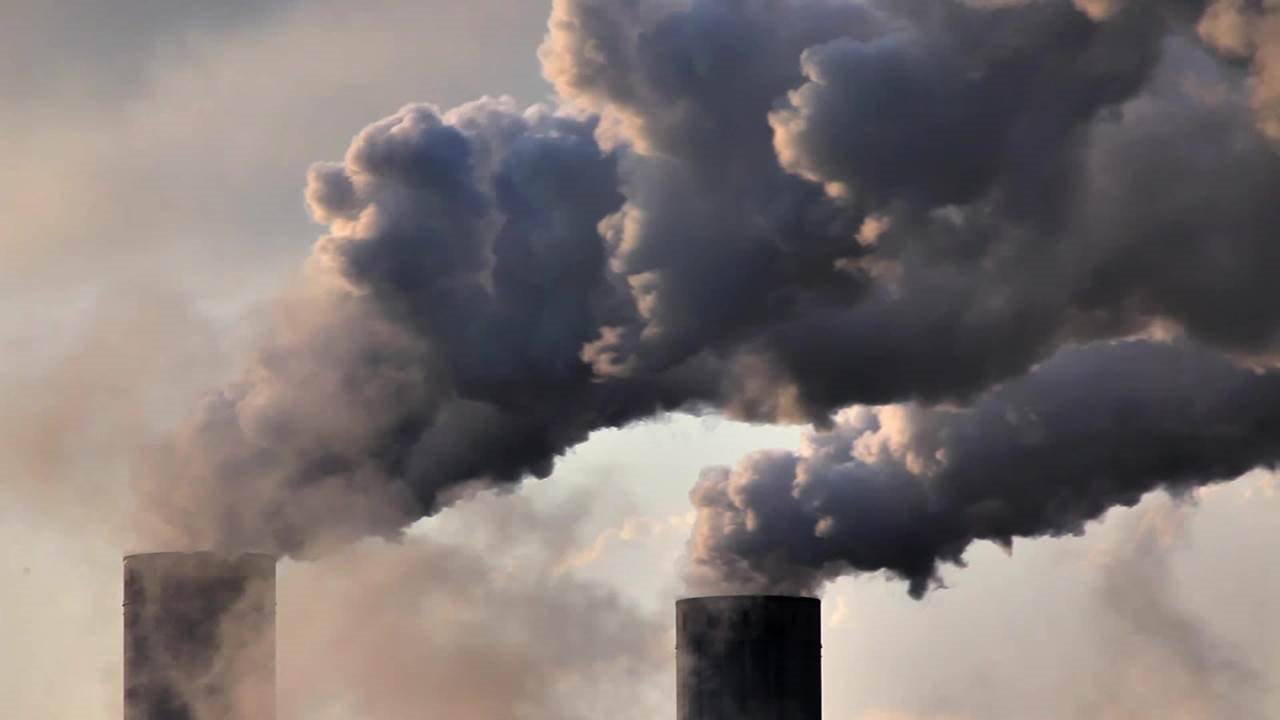
Climate change:The Earth's climate has been constantly changing throughout its history, including the average global temperature.
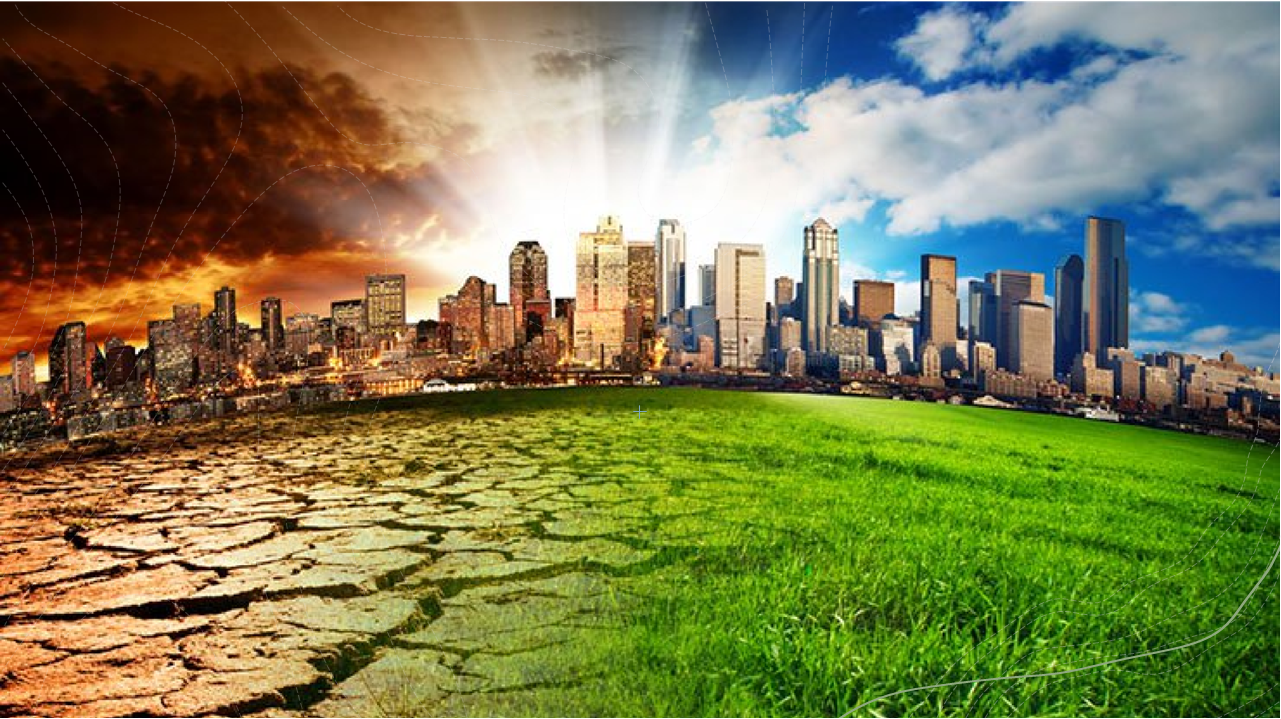 However, warming is now much faster than ever before. It is already obvious that it is the human contribution to the rise in temperatures over the last century that has become decisive. Mankind has emitted greenhouse gases into the atmosphere, ie gases capable
of absorbing thermal radiation - a by-product of the development of the modern economy.
We generate greenhouse gases by burning fossil fuels, engaging in agriculture and land use, and other activities that cause climate change.Currently, the level of greenhouse
gases in the atmosphere is the highest in the last 800 thousand years. The rapid growth of their volume is a problem because it accelerates climate change so much that life does not have time to adapt to it.
Climate change consists not only of rising temperatures, but also of abnormal weather phenomena, rising ocean levels, changes in wildlife populations and habitats, and other environmental impacts.
Combating climate change gives us a chance to put people's well-being first by guaranteeing them the right to a healthy environment. This will give us a chance to
promote human rights by, for example, guaranteeing more people access to green and cheap electricity and creating jobs in new sectors of the economy.
The main goal is to reduce the use of used fuels, such as oil, carbon and natural gas, and replace them with renewable and environmentally friendly energy sources, while increasing energy efficiency.
Endangered species or threats to wildlife: Modern civilized man is more conscious of natural biodiversity. In addition, there are a number of nature protection organizations and foundations in the world, nature reserves are being created, and criminal and
administrative liability is provided for hunting wild animals. Despite this, many animals are still on the verge of extinction. Today, human communication cannot take place not only to harm them, but even more so to protect and preserve them.
To find out which animals we buy are endangered? To do this, you need to look at the Red
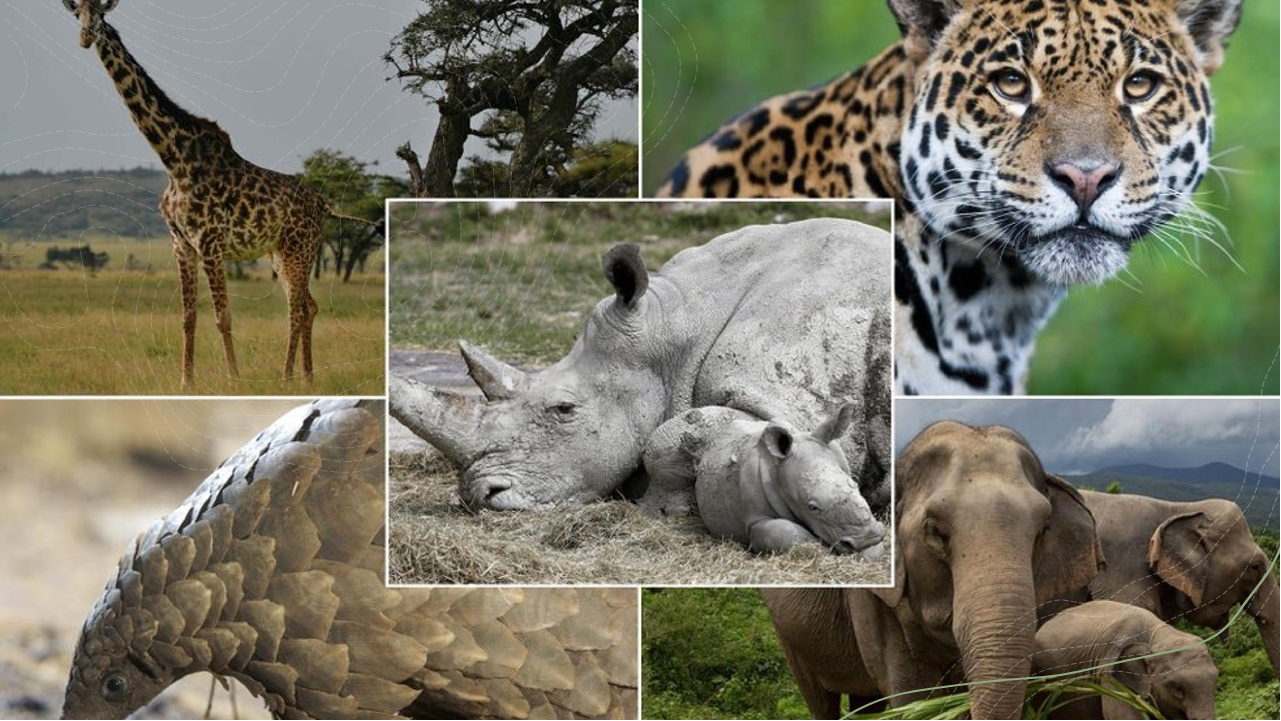 Book of the world. Disturbance and degradation of habitats causes the most negative impact on all groups of animals. It threatens 67% of all rare and endangered species. This factor includes the intensification of agriculture; deforestation; construction of reclamation facilities and drainage reclamation; burning of vegetation and anthropogenic forest fires; expansion of buildings; natural phenomenon. Deforestation, steppe destruction, swamp drainage, construction of reservoirs, canals, construction of highways and railways, power lines, construction of cities, industrial facilities, open-cast mining, etc., are fundamentally changing ecosystems. For animals that have adapted to certain conditions over millennia, such abrupt changes are unfavorable, and they either disappear completely or become rare.
The extinction of species is considered a natural process, and according to paleontological data, the average rate of this process is one species per century. But over the past 200 years, the rate of species extinction has increased at least 40 times. In all life forms, the scale of extinction is 100-1000 times more than statistically expected; this rate of species extinction is directly related to the destructive and changing impact of humanity on the nature of the Earth.


про публікацію авторської розробки
Додати розробку
 Зареєструватись за допомогою Google