
Методична розробка практичного заняття з іноземної мови на тему «Healthy Food. Здорове харчування»

Комунальний заклад
«Ніжинський фаховий медичний коледж»
Чернігівської обласної ради

МЕТОДИЧНА РОЗРОБКА
практичного заняття з предмету
Іноземна мова
для студентів ІІ курсу
спеціальність 223 Медсестринство
OПП Лікувальна справа
 на тему
Підготувала:
 викладач іноземної мови, іноземної мови (за професійним спрямуванням), основ латинської мови з медичною термінологією – Наталія ДОВГАЛЬ
Розглянуто та схвалено на засіданні предметної циклової комісії
загальноосвітніх та природничо-наукових дисциплін
протокол № ____________
від “____”_______________ 2024 р.
Голова циклової комісії
_____________ Наталія ДОВГАЛЬ
Ніжин - 2024
Tема: "Healthy Food. Здорове харчування".
АКТУАЛЬНІСТЬ ЗАНЯТТЯ: Іноземна мова як навчальний предмет посідає важливе місце в системі суспільної освіти у нашій країні. У сучасному суспільстві, яке активно розвиває міждержавні зв’язки у сферах культури, науки, техніки, медицини та виробництва, знання іноземної мови стає ознакою освіченості та необхідним елементом підготовки висококваліфікованого фахівця. Воно відкриває доступ до культурних і наукових надбань інших народів, сприяє встановленню ділових і культурних контактів з іншими країнами та полегшує міжнаціональне спілкування.
Тема "Здорове харчування" є актуальною та цікавою бо сприяє вдосконаленню вільного усного мовлення шляхом використання вмінь та навичок, під час обміну думками по темі, стимулює розвиток умінь студентів аналізувати матеріал та розуміння студентами важливості здорового харчування та здорового способу життя, підвищує мотивацію студентів до спілкування один з одним, обговорюючи тему, сприяє розвиток логічного та креативного мислення студентів.
Мета:
Практична:
- to form in the students more clear notion about the food and its influence on the health of people– сформувати більш повне уявлення студентів про їжу та її вплив на здоров’я;
- to make deeper and to enlarge the knowledge of the students about the facts that are already known about food and health –поглибити та розширити знання про вже відомі факти про їжу та здоров’я;
- to train students in reading, writing, speaking and listening – тренувати студентів в читанні, письмі, говорінні й аудіюванні.
Розвиваюча:
- to develop the students' abilities to analyze the material – розвивати уміння студентів аналізувати матеріал;
- to facilitate free speaking by eliciting personal experience and knowledge, exchanging opinions on the subject – вдосконалювати вільне усне мовлення на основі використання вмінь та навичок, обмінюючись думками по темі;
- to develop the students' logic and creative thinking – розвивати логічне та креативне мислення студентів;
- to motivate learners to communicate with each other discussing the topic – мотивувати студентів до спілкування один з одним, обговорюючи тему;
- to revise grammar material – повторити граматичний матеріал.
Виховна:
- to educate the culture of communication and cooperation at the lesson – виховувати культуру спілкування та співпраці на занятті;
- to make the students understand the importance of healthy food and healthy way of life – виховувати у студентів розуміння важливості здорового харчування та здорового способу життя.
Освітня мета: сприяти усвідомленню студентами суті мовних явищ та розумінню іншої системи понять, що допомагає глибше сприймати реальність; розвивати навички роботи з підручником і роздатковими матеріалами.
Обладнання: роздаткові матеріали (вправи, тестові завдання), мультимедійний проектор, електронні презентації.
ТИП ЗАНЯТТЯ: практичне заняття з Іноземної мови.
МЕТОДИ І ПРИЙОМИ ЗАНЯТТЯ: творчий метод; робота з фонетичним, лексичним та граматичним матеріалом із застосуванням презентацій; випереджальне завдання (асоціограма); бесіда; робота з роздатковим матеріалом; робота з тематичними текстами та післятекстовими завданнями; робота з лексичним та граматичним матеріалом за поданими зразками та структурами; індивідуальне та фронтальне опитування; монологічне та діалогічне мовлення; робота в парах та малих групах; використання методів «Асоціативний кущ», «Мікрофон», «Мозковий штурм».
МІЖПРЕДМЕТНА ІНТЕГРАЦІЯ
|
Дисципліна |
Форма заняття |
Дисципліни, розділ теми, з якими пов’язано викладання предмета |
|
Іноземна мова |
Практичне заняття |
Гігієна харчування Українська мова «Складні випадки правопису самостійних частин мови», «Ступені порівняння прикметників», «Узгодження числівників з іменниками».
|
КІЛЬКІСТЬ ГОДИН: 2 години
КУРС, ГРУПА, ОПП: ІІ курс, група 2фБ ОПП Лікувальна справа.
ОЧІКУВАНІ РЕЗУЛЬТАТИ:
Після проведеного заняття студенти повинні володіти:
- фонетичною компетенцією
(інтонацією та особливостями фонетичної вимови лексичних одиниць, що були вивчені на занятті);
- лексичною компетенцією
(відповідним лексичним матеріалом з дисципліни «Іноземна мова», що застосовується у типових розмовних ситуаціях та професійній діяльності.);
- граматичною компетенцією
((певним граматичним матеріалом з дисципліни «Іноземна мова», що охоплює вживання означеного та неозначеного артиклів, відсутність артиклів, множину іменників, особові та присвійні займенники, неозначені та кількісні займенники, порядкові та кількісні числівники, а також ступені порівняння прикметників, прийменники, вживання дієслова «to be» та «to have»).
Студенти повинні вміти:
аудіювання:
- Осягати наміри мовця та визначати його позицію;
- розуміти на слух зміст автентичних матеріалів, використовуючи їх як джерело інформації та засіб для її засвоєння..
говоріння:
- вести усне мовленнєве спілкування в типових професійних ситуаціях як у монологічній, так і в діалогічній формах;
- зв'язувати свої висловлювання в чітку, логічно структуровану ситуацію;
- висловлюватися без попередньої підготовки.
читання:
- здійснювати ознайомлююче читання тематичних текстів;
- вилучати з текстів потрібну інформацію;
- виконувати післятекстові завдання.
письмо:
- володіти правильним вживанням означених і неозначених артиклів, множини іменників, особових і присвійних займенників, неозначених і кількісних займенників, порядкових і кількісних числівників, ступенів порівняння прикметників та прийменників, прийменників, дієслова «to be» та «to have».
- вміти письмово передавати необхідну інформацію.
Студенти повинні бути проінформовані:
- Значущість використання здобутих знань із цього заняття для майбутньої діяльності;
- характерні особливості вживання професійно-орієнтованого лексико-граматичного матеріалу.
Література:
- Англо-український словник: більше 100 000 слів (350 000 варіантів перекладу) /за ред. проф. Гороть Є.І. Вінниця: Нова Книга, 2006. 1700 с.
- Верба Л.Г., Верба Г.В. Граматика сучасної англійської мови. Довідник. Київ: Знання, 2009.
- Карпюк О.Д. Англійська мова (11-й рік навчання, рівень стандарту),(English (the 11th year of studies)) Підручник для 11 класу закладів загальної середньої освіти. Рівень стандарту. Тернопіль: Астон, 2019. 256 с.
- URL. https://www.youtube.com/watch?v=_yM7_hbpRXc
СТРУКТУРА ЗАНЯТТЯ:
І. ПІДГОТОВЧИЙ ЕТАП
1.1. Організація заняття. Бесіда викладача з черговим студентом1. GREETING (Організаційний момент)
Preparation for apprehension of foreign speech
Teacher: - Good morning, students and the guests! We are very glad to see you all. How are you?
Students: We are fine today, thank you!
Черговий студент повідомляє викладачу про наявність студентів у групі та надає необхідну інформацію, якщо це потрібно. ** Відповідь чергового:
I am on duty. Today is the 17th of October, Thursday. The date is written on the blackboard. [Student's name] is absent today / [Student's names] are absent today. She/he is ill./They are ill. The classroom is aired. The chalk and the duster are here. Everything is in order. The group is ready for the class.
T.: Thank you very much! Nice! So let’s start our lesson!
2. Aim. Introduction to the topic of the lesson. Повідомлення теми, мети заняття. Мотивація навчальної діяльності
Teacher: Dear students, I hope you feel well today and you are ready for the lesson. Today's lesson will be devoted to the topic "Healthy Food". In this lesson we'll consider the problems of healthy food and healthy diet. I'm convinced the subject of the discussion will be of great interest for you.
3. Warming up. Уведення в іншомовну атмосферу. (Метод «Займи позицію»)
(Студенти бачать на слайді мультимедійної презентації прислів’я англійською мовою. Їхнім завданням є пригадати українські еквіваленти поданих прислів’їв по темі та висловити своє ставлення щодо їхнього змісту і аргументувати свою думку.)
Teacher: I'd like to start with English quotations. Look at the board. Please, read the quotations, try to guess the Ukrainian equivalents of them.
- "You are what we eat." (English proverb). Ми те що ми їмо.
- A sound mind in a sound body. У здоровому тілі здоровий дух.
- Appetite comes with eating. Апетит приходить під час їжі.
- Every day brings its own bread. Буде день, буде їжа.
- Too much butter won’t spoil the porridge. Кашу маслом не зіпсуєш.
Nice of you. Do you all agree with them? As for me I fully agree with all of them and most of all I agree with the first one “You are what we eat”
4. Pair work. Робота в парах.
(Студенти отримують картки з переліком різноманітних продуктів харчування. Працюючи в парах студенти повинні визначити, які продукти можна віднести до здорової їжі, а які до шкідливої та мотивувати свій вибір.)
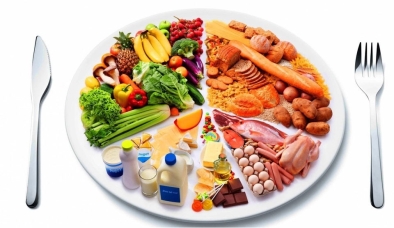
Teacher: You know all living things need food because it is the basic fuel of our life. It keeps us warm, gives us energy and helps kids to grow healthy. What food is very good for us? Which of the foods are not so good? And what food can even cause illnesses? I have a list of different kinds of food. Now let`s work in pairs and your task is to divide these kinds of food into two groups - “junk food” and “healthy food”. Let’s explore the difference between junk food and healthy food. Does anyone know what these terms mean? If not, here’s a quick explanation: “Junk food” refers to foods that are high in calories and fat but low in nutritional value. Consuming too much junk food can lead to side effects like an increased risk of cancer, weight gain, and heart or liver disease. On the other hand, “healthy food” includes foods that are as close to their natural state as possible, providing essential nutrients and supporting overall well-being. It is free of colorings and chemicals, and it has not been modified, that is why it is very good for our health. Which of the following products may be called junk food will try to find the first group, which may be called healthy food – is the task for the second one. You can add your examples.
|
Soda pop, Ice cream, Fresh fruits and vegetables (especially oranges, watermelon, strawberries), Hamburgers, Chocolate bars, Wheaties or other whole-grain, Hot dogs, Whole milk, Low-fat hot dog, Vegetarian burgers, 1% milk, French fries, Pizza loaded with cheese and meat, Whole wheat crackers. |
What are your results?
Now we are going to play Kahoot! and we will see how you understand the difference between junk and heathy food.
Thank you, I agree with all of you, that was a great job. I hope you will remember the difference between these kinds of food in future.
5. Checking Homework. Контроль домашнього завдання та виконаної самостійної позааудиторної роботи.
(Домашнім завданням студентів було представити у вигляді презентації про здорову та нездорову їжу.) (Презентації студентів)
Today we are speaking about different kinds of food. At home you were to think about your attitude to healthy and unhealthy food and your task was to introduce it in front of the class in the form of projects. Now we will listen to them. Who is ready to start, may be this information will be of great help for people who are ready to start a new life with a healthy diet.
Thank you all, it was really interesting? Who was the best what do you think? The rest will give me the exercise books at the end of the lesson and I will read all your recipes.
II. Основний етап заняття
- Speaking. Розвиток умінь мовлення.
Group work. Групова робота. (Метод «Конкурентних груп»)
(Викладач розділяє студентів на дві конкурентні групи по 7 чоловік. Кожна команда отримує протилежні за змістом завдання: одна група повинна знайти якомога більше аргументів на користь їжі швидкого приготування, інша команда повинна довести, що їжа швидкого приготування має багато недоліків. Виграє та команда, яка наведе найбільше доводів.)
Teacher: These recipes are very interesting and many of them include healthy products but as you know, we have no time for cooking this time and fast food restaurants have become very popular with children and young people. Not everyone agrees that fast food restaurants are a good idea. Let’s go over some arguments for and against them. Which opinions do you agree with? Can you think of more pros and cons? Here’s the activity: divide into two groups. The first group will brainstorm positive aspects, and the second group will focus on negative aspects. Each group needs to come up with at least seven points. The group with the most arguments will win. You have five minutes—good luck!
|
For “fast food” |
Against “fast food” |
|
The service is very quick. |
The food contains a lot of fat and is unhealthy. |
|
The restaurants are usually very clean. |
The food is not cheap, especially for young people. |
|
|
|
|
|
|
|
|
|
Teacher: According to you answers, you prefer healthy food to junky one. However, many people have problems with their health, because of this people try different diets.
- Reading. Подання тексту для читання.
(На роздруківках студенти здійснюють оглядове читання тексту “Eat Well, Stay Healthy”)
Pre-reading activity. Vocabulary practice. Етап підготовки до читання. Подання лексичного матеріалу до тексту.
Now we will read the text “Eat Well, Stay Healthy”, look at the copy.
|
“Eat Well, Stay Healthy”
We all know we should be eating a healthier balanced diet and getting more exercise. To make it work we need to build good habits into our daily routine. We should try not to eat ''on the run''. This means taking time to plan and prepare healthy meals at home so that we rely less on fast food microwave meals and unhealthy snacks. We should also control the amount of fat sugar and salt in our diet.
Remember, there aren`t any bad foods and even so-called diet foods or drinks are not lower in calories. Weight loss in your growing body can permanently affect your growth in height. |
While Reading Activity. Етап читання тексту.
(Студенти ще раз самостійно читають текст. Під час читання тексту студенти повинні підібрати заголовок до кожного абзацу з поданих нижче варіантів та мотивувати свій вибір.)
Read the following information carefully and try to determine the title that best matches each excerpt. What do you think is the name of the first paragraph? Why do you think so?
Titles
- Avoid Too Much Sugar
- Healthy Food Preparation
- Avoid "Diet Thinking"
- How to Eat Correctly
- Don't Skip Meals
- Think Before Eating
Post Reading Activity. Етап перевірки розуміння прочитаного.
(Щоб перевірити розуміння студентами прочитаного тексту викладач роздає завдання на картках. Студентам потрібно визначити правильними чи помилковими є твердження відповідно до тексту. Також студенти повинні вміти давати відповіді на запитання щодо змісту тексту.)
Now let us check how you have understood the text. Your task is to say if the sentence is true or false.
- All people should be eating a healthier balanced diet and getting more exercise.
- We do not need to build good habits into our daily routine.
- We should try not to eat "on the run".
- Eating two regular meals with good snacks in between encourages healthy energy levels and weight.
- Grilling, stir-frying, baking are unhealthy ways to cook food.
- . It takes five minutes before you're feeling full.
- You must eat very fast.
- Eat when you're hungry, not when stressed or bored.
- Weight loss in your growing body can affect your growth in height.
- Fibre rich foods are such foods as whole grains, vegetables, and fruits.
Answer my questions to the text.
- What do we need to build to eat well and to stay healthy?
- What does it mean “not to eat on the run”?
- How many times do we have to eat?
- What must we do if we are not eating at home?
- When and where must we eat to be healthy?
- Listening. Розвиток навичок аудіювання та мовленнєвих вмінь.
Pre Listening Activity. Етап підготовки до аудіювання.
(Викладач знайомить студентів з лексикою, яка може бути незнайомою для них.)
Teacher: Now you are going to listen to a person talking about eating disorders. Video: https://www.youtube.com/watch?v=_yM7_hbpRXc
Let us discuss the video. Look at the screen, read and translate.


While-Listening. Аудіювання.
(Студенти отримують картки, на яких містяться речення. Під час прослуховування тексту студенти повинні розділити речення на дві групи: речення, які відповідають змісту прочитаного та речення, які є помилковими.)
Listen to me and find out whether the following statements are true, false. Read the statements carefully before listening to the audio text. Do you understand the translation of all the sentences? Let’s translate them.
|
Statements |
True |
False |
|
1. Many people think that eating habits are a question of putting on weight and not wearing small-sized clothes |
|
|
|
2. Mostly men are obsessed with the idea what to eat and how to eat. |
|
|
|
|
|
|
|
|
Post Listening Activity. Етап перевірки розуміння аудіювання.
(Щоб перевірити рівень розуміння прослуханого тексту, викладач перевіряє виконання завдання, яке студенти виконували під час аудіювання. Також студентам пропонується дати відповіді на питання до тексту.)
Teacher: What do you think about this text? Now let’s check what statements were true and which of them were not. Thank you.
Answer my questions.
- Are food issues important today?
- What is anorexia?
- What is bulimia?
- Why do people have these problems nowadays?
Thank you very much for sharing your interesting ideas and thoughts.
III. Заключний етап.
1. Homework. Summarizing. Пiдведення пiдсумкiв заняття. Повідомлення домашнього завдання. Мотивація оцінок.
Teacher: Thank you for sharing your ideas and thoughts on this problem with your classmates. Thank you for your hard work and I hope from now on you will try to keep healthy diet in your life for you understand the importance of healthy food and a balanced diet to keep fit.
For your homework, please write an opinion essay on the topic "A Healthy Diet." It seems that most of you already know how to make good food choices! But do you know I have a pen-friend, her name is Britney, and she has problems with eating. What pisses of advice can you give her? What diet, do you think, will help her to lose weight?
Now we've come to the end of the lesson and your marks for the lesson are … Thank you all for the lesson. Good bye.
Додаток 1 Завдання для роботи в парах під час введення в іншомовну атмосферу.
|
Soda pop, Fresh fruits and vegetables (especially oranges, watermelon, strawberries), Hamburgers, Wheaties or other whole-grain, Hot dogs, Whole milk, Low-fat hot dog, 1% milk, French fries, Pizza loaded with cheese and meat, Vegetarian burgers, Chocolate bars, Ice cream, Whole wheat crackers
|
|
Soda pop, Fresh fruits and vegetables (especially oranges, watermelon, strawberries), Hamburgers, Wheaties or other whole-grain, Hot dogs, Whole milk, Low-fat hot dog, 1% milk, French fries, Pizza loaded with cheese and meat, Vegetarian burgers, Chocolate bars, Ice cream, Whole wheat crackers
|
Додаток 2 Завдання для роботи конкурентних груп на основному етапі заняття
|
For “fast food” 1. The service is very quick 2. The restaurants are usually very clean. 3. |
|
Against “fast food”
|
Додаток 3 Завдання для аудіювання
|
Statements |
True |
False |
|
|
|
|
|
|
|
|
|
|
|
|
|
Statements |
True |
False |
|
|
|
|
|
|
|
|
|
|
|
|
|
Statements |
True |
False |
|
|
|
|
|
|
|
|
|
|
|
|
Додаток 4. Текст для читання
|
“Eat Well, Stay Healthy” 1) We all know we should be eating a healthier balanced diet and getting more exercise. To make it work we need to build good habits into our daily routine. We should try not to eat ''on the run''. This means taking time to plan and prepare healthy meals at home so that we rely less on fast food microwave meals and unhealthy snacks. We should also control the amount of fat sugar and salt in our diet. 2) Here are a few tips to make healthy diet choices: Eating three regular meals with good snacks in between encourages healthy energy levels and weight. When eating away from home you can bring healthy snacks and drinks.. 3) Grilling, stir-frying, baking and boiling are healthy ways to cook food. Use fresh or dried herbs and spices to flavor food instead of adding toppings like butter, margarine, or gravy. 4) Sugary drinks are a source of empty energy (in the from of calories) that you don`t need, without vitamins, minerals, or protein. Try sugar-free sodas or flavored waters instead of regular soda or juice. Lots of sugar is found in desserts such as cakes, cookies, and sweets. Enjoy these foods in moderation. 5) Eat slowly. It takes twenty minutes before you`re feeling full. Eating when hungry and stopping when full will help balance the body`s energy needs. Eat when you`re hungry not when stressed or bored. Fiber rich foods such as whole grains, vegetables, and fruits increase the feeling of being full. 6) Remember, there aren`t any bad foods and even so-called diet foods or drinks are not lower in calories. Weight loss in your growing body can permanently affect your growth in height. A. Avoid Too Much Sugar B. Healthy Food Preparation C. Avoid "Diet Thinking" D. How to Eat Correctly E. Don't Skip Meals F. Think Before Eating
|
про публікацію авторської розробки
Додати розробку
 Зареєструватись за допомогою Google