
Методичні рекомендації для практичного опрацювання матеріалу з навчальної дисципліни з теми: «Країна, мова якої вивчається»

МІНІСТЕРСТВО ОСВІТИ І НАУКИ УКРАЇНИ
ВСП «КОЗЕЛЕЦЬКИЙ ФАХОВИЙ КОЛЕДЖ ВЕТРИНАРНОЇ МЕДИЦИНИ
БІЛОЦЕРКІВСЬКОГО НАЦІОНАЛЬНОГО
АГРАРНОГО УНІВЕРСИТЕТУ»
ІНОЗЕМНА МОВА
(ЗА ПРОФЕСІЙНИМ СПРЯМУВАННЯМ)
Методичні рекомендації
для практичного опрацювання матеріалу з навчальної дисципліни
з теми: «Країна, мова якої вивчається»
2025
Укладач: Шкурко Тетяна Анатоліївна, викладач англійської мови, зарубіжної літератури, спеціаліст вищої кваліфікаційної категорії
Методична розробка містить практичні завдання за тематикою навчальної дисципліни “Іноземна мова (за професійним спрямуванням)” згідно з навчальною програмою для студентів спеціальності 211 “Ветеринарна медицина”. Підібрані завдання можуть бути використані під час опанування нового матеріалу, повторення, закріплення, для розширення та поглиблення знань з лінгвокраїнознавства, розвитку загальної ерудиції, формування світогляду на основі загальнолюдських цінностей, підготовки до контрольної роботи та самостійної роботи здобувачів освіти на заняттях.
ЗМІСТ
1. ВСТУП............................................................................................................4-5
2. ОСНОВНА ЧАСТИНА...............................................................................6-34
Загальна інформація про країну, географічне положення та клімат.………..6-9
Історія та політична система…………………………………………………10-13
Визначні місця. Лондон - столиця країни, мова якої вивчається…………..14-23
Свята та традиції країни, мова якої вивчається.……………………………24-34
3. ДОДАТКИ....................................................................................................35-38
4.ВИСНОВКИ…………………………………..............................................39
5. ПЕРЕЛІК ВИКОРИСТАНИХ ДЖЕРЕЛ.................................................40
Вступ
В сучасний період відчутна нагальна потреба в освічених, творчих та активних особистостях, здатних до самовдосконалення, взаєморозуміння та взаємодії з носіями різних мов та культур на благо людства. Формування таких особливостей в значній мірі сприяє вивчення іноземних мов. Метою навчання яких є не тільки оволодіння молоддю іншомовною комунікативною компетенцією, але й соціокультурний її розвиток. Людина, котра вміє розмовляти іноземною мовою, знає та поважає традиції та звички інших народів, більш здатна до активного способу життя.
Велику увагу приділяють викладачі іноземних мов знайомству здобувачів освіти з культурою інших країн, усвідомленню ними можливої різниці між рідною та іншими культурами, розвитку позитивного сприяння інших культур і набуття вмінь долати соціокультурні бар’єри.
Державний освітній стандарт в число цілей навчання іноземної мови на базовому рівні включає виховання у здобувачів освіти позитивного ставлення до іноземної мови, культури, народу, що розмовляє цією мовою. Освіта засобами іноземної мови передбачає знання про культуру, історію, реалії і традиції країни, мова якої вивчається (лінгвокраїнознавство, країнознавство), включення здобувачів освіти в діалог культур, знайомство з досягненнями національних культур в розвитку загальнолюдської культури, усвідомлення ролі рідної мови та культури в дзеркалі культури іншого народу.
Звертання до проблеми вивчення мови і культури одночасно не випадково, так як це дозволяє вдало поєднувати елементи країнознавства з мовними явищами, що є не лише засобом комунікації, а й засобом ознайомлення з новою дійсністю. Такий підхід до навчання іноземної мови в вищих закладах освіти в більшості забезпечує не лише більш ефективне розв’язання практичних, загальноосвітніх, розвиваючих та виховних завдань, а й містить в собі величезні можливості для виклику та подальшого підтримання мотивації навчання.
Вивчення навчальної дисципліни “Іноземна мова (за професійним спрямуванням)” має за мету оволодіння практичними навичками в іншомовному спілкуванні, актуалізації граматичних структур у різних контекстах та підготовці виступів з низки галузевих питань, перекладів іншомовних професійних і країнознавчих текстів, пошуці нової текстової, графічної, аудіо та відеоінформації, що міститься в іншомовних галузевих матеріалах.
Здобувачам освіти необхідно навчитися застосовувати міжкультурне розуміння у процесі безпосереднього усного і писемного спілкування в академічному та професійному середовищі; належним чином поводити себе й реагувати у типових ситуаціях повсякденного життя; розуміти різні корпоративні культури в конкретних контекстах і те, яким чином вони співвідносяться одна з одною.
Для того, щоб рівень підготовки майбутнього працівника ветеринарної медицини відповідав вимогам часу, необхідно дати с здобувачам освіти можливість користуватись автентичними матеріалами, сформувати у них уміння орієнтуватися в англомовному середовищі, застосовувати знання з англійської мови для спілкування, вилучення інформації з англомовних джерел.
В цьому контексті опрацювання матеріалів з теми «Країна, мова якої вивчається», має велике значення. Здобувачі освіти мають можливість засвоїти лексику певної тематики, дізнатися про особливості географічного положення, клімату, історії, традицій країни, мова якої вивчається
Вивчення теми і закріплення навчального матеріалу відбувається за умов активної взаємодії здобувачів освіти. Використання інтерактивних методів проведення заняття допомагає краще засвоїти матеріал, наближаючи заняття до моделювання реальних життєвих ситуацій. Заняття, проведені за такою схемою з використанням наочності і мультимедійних засобів може сприяти глибокому засвоєнню матеріалу з теми і розумінню важливості вивчення англійської мови.
В даній методичній розробці підібраний матеріал, який надає здобувачам освіти можливість засвоїти лексику певної тематики, практикувати навички пошукового читання, обговорення прочитаного, розширювати знання про загальні відомості, історію та традиції країни, мова якої вивчається.
Методична розробка складена у відповідності до навчальної програми з іноземної мови для вищих навчальних закладів І-ІІ рівнів акредитації, які здійснюють підготовку фахового молодшого бакалавра на основі базової загальної середньої освіти.
Матеріали, подані у методичній розробці, можуть бути використані як викладачами англійської мови вищих навчальних закладів І-ІІ рівнів акредитації, так і вчителями англійської мови загальноосвітніх навчальних закладів.
Theme: The United Kingdom of Great Britain and Northern Ireland: general information, the climate and weather
UK quiz. Watch a video and guess the answers.
https://www.youtube.com/watch?v=F5YuDqo1cgU
Answer the questions.
1) What English-speaking countries do you know?
2) What country is situated on the British Isles?
3) Where do the British Isles lie?
4) What islands form a group of the British Isles?
5) What is Great Britain separated by from the continent?
6) What parts does Great Britain consist of?
7) Where are they situated?
8) What are their capitals?
9) Where is Northern Ireland situated?
10) What is the capital of Northern Ireland?
11) What countries make the United Kingdom?
Reading and discussing
- Write the key facts about the country.
Key Facts:
Area: 244,100 sq. km.
Population: over than 60 mln.
Capital city: London (almost 9 mln. inhabitants).
Major cities: Birmingham, Sheffield, Manchester, Bristol in England; Glasgow, Edinburgh and Aberdeen in Scotland; Cardiff, Swansea and Newport in Wales; Belfast in Ulster.
Main languages: English (official). Also Welsh, Scottish, Gaelic.
Highest point: Ben Nevis (Scotland) (1,343 m).
Longest rivers: the Severn (354 km) and the Thames (346 km).
Largest lake: the Loch Lomond (70 sq. km).
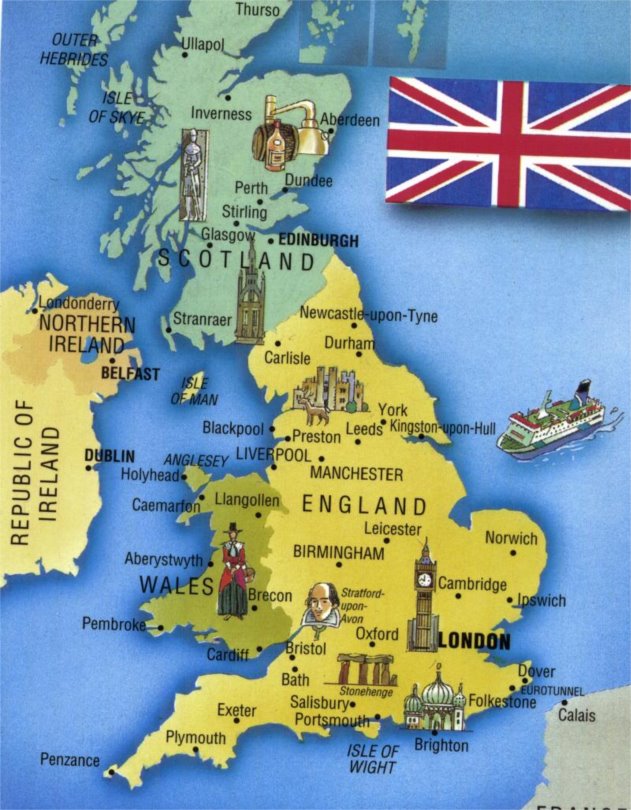
(Додаток 1. Map of The United Kingdom of Great Britain and Northern Ireland)
2. Read about the country and check your key facts.
The United Kingdom of Great Britain and Northern Ireland
The United Kingdom of Great Britain and Northern Ireland is situated on the British Isles. The British Isles consist of two large islands, Great Britain and Ireland, and about five thousand small islands. Their total area is over 244 000 square kilometres.
The United Kingdom is one of the world's smaller countries. Its population is over 60 million. About 80 percent of the population is urban.
The United Kingdom is made up of four countries: England, Wales, Scotland, and Northern Ireland. Great Britain consists of England, Scotland and Wales and does not include Northern Ireland. But in everyday speech "Great Britain" is used in the meaning of the "United Kingdom of Great Britain and Northern Ireland".
The capital of the UK and England is London. Edinburgh is the capital of Scotland, Cardiff— of Wales and Belfast — of Northern Ireland.
The British Isles are separated from the Continent by the North Sea, the English Channel and the Strait of Dover. The western coast of Great Britain is washed by the Atlantic Ocean and the Irish Sea.
The surface of the British Isles varies very much. The north of Scotland is mountainous and is called Highlands. The south, which has beautiful valleys and plains, is called Lowlands. The north and west of England are mountainous, but the eastern, central, and south-eastern parts of England are a vast plain. Mountains are not very high. Ben Nevis in Scotland is the highest mountain (1,343 m). There are a lot of rivers in Great Britain, hut they are not very long. The Severn is the longest river, while the Thames is the deepest and the most important one. The mountains, the Atlantic Ocean, and the warm waters of Gulf Stream influence the climate of the British Isles. It is mild the whole year round.
The official language of the United Kingdom is English. But in western Scotland some people still speak Gaelic and in northern and central parts of Wales people often speak Welsh.
The UK is a highly developed industrial country. It produces and exports machinery, electronics, textiles. One of the chief industries of the country is shipbuilding. The most important industrial cities of Great Britain are London, Birmingham, Manchester, Glasgow, Liverpool, Leeds, Edinburgh.
The UK is a constitutional monarchy with a parliament and the King as Head of the State.
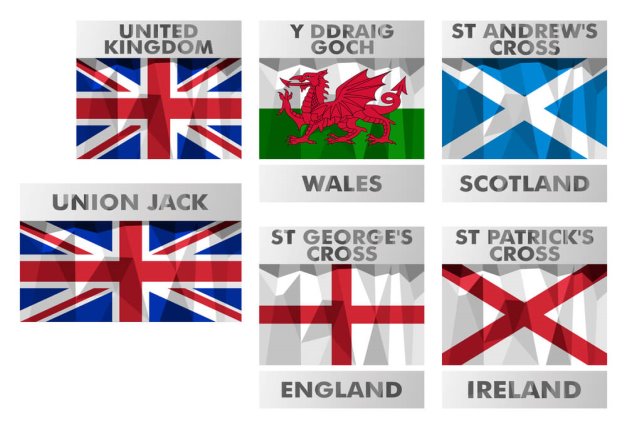
The flag of the United Kingdom, known as the Union Jack, is made up of three crosses.
Answer the questions
1) What country is situated on the British Isles?
2) Where do the British Isles lie?
3) What islands form a group of the British Isles?
4) What is Great Britain separated by from the continent?
5) What is the total area of the country?
6) What countries make the United Kingdom?
7) Where are they situated? What are their capitals?
8) What is country washed by? What are the main rivers?
9) What is the highest point?
10) What is the population of the UK?
11) What is the official language?
3. Read about the climate and weather of Great Britain and do the tasks.
- Write out the underlined words and word combinations. Translate them into Ukrainian.
Climate and weather in Great Britain
The climate in Great Britain is generally mild and temperate due to the influence of the Gulf Stream. The south-western winds carry the warmth and moisture into Britain. The climate in Britain is usually described as cool, temperate and humid.
British people say: "Other countries have a climate, in England we have weather."
The weather in Britain changes very quickly. One day may be fine and the next day may be wet. The morning may be warm and the evening may be cool. Therefore it is natural for the people to use the comparison "as changeable as the weather" of a person who often changes his mood or opinion about something. The weather is the favourite topic of conversation in Britain. When two Englishmen are introduced to each other, if they can't think of anything else to talk about, they talk about weather. When two people meet in the street they will often say something about weather as they pass, just to show their friendliness.
Every daily paper publishes a weather forecast. Both the radio and television give the weather forecast several times each day.
The English also say that they have three variants of weather: when it rains in the morning, when it rains in the afternoon or when it rains all day long. Sometimes it rains so heavily that they say "It's raining cats and dogs".
Rainfall is more or less even throughout the year. In the mountains there is heavier rainfall then in the plains of the south and east. The driest period is from March to June and the wettest months are from October to January
The average range of temperature (from winter to summer) is from 15 to 23 degrees above zero. During a normal summer the temperature sometimes rises above 30 degrees in the south. Winter temperatures below 10 degrees are rare. It seldom snows heavily in winter, the frost is rare. January and February are usually the coldest months, July and August the warmest. Still the wind may bring winter cold in spring or summer days. Sometimes it brings the whirlwinds or hurricanes. Droughts are rare.
So, we may say that the British climate has three main features: it is mild, humid and changeable. That means that it is never too hot or too cold. Winters are extremely mild. Snow may come but it melts quickly. In winter the cold is humid cold, not the dry one.
This humid and mild climate is good for plants. The trees and flowers begin to blossom early in spring.
In the British homes there has been no central heating up till recently. The fireplaces are often used, but the coal is not used as it's very expensive. Britain has no good coal now and imports it itself. Many schools and universities have no central heating either, and the floors there are made of stone. The British bedroom is especially cold, sometimes electric blankets or hotwater bottles are used.
The most unpleasant aspect of British weather is fog and smog. This is extremely bad in big cities and especially in London.
The fog spreads everywhere, it is in the streets and it creeps into the houses. Cars move along slowly, but still street accidents are frequent in the fog. People cannot see each other. They creep along the houses touching them with their hands not to lose their way or not to be run over by a car.
The best place in the world then is at home by the big fire.
2. Complete the sentences.
- The climate in Great Britain is … due to the influence of …
- The British often say: ...
- The weather in Britain …
- The weather is the favourite …
- The driest period is from…
- The average range of temperature (from winter to summer) is …
- … are usually the coldest months, … the warmest.
- Winters are …
- This humid and mild climate is …
- In the British homes there has been no …up till recently.
- The most unpleasant aspect of British weather is …
- The best place in the world then is …
Theme: British history. The UK political system.
Answer the questions
What is the official name of the country?
What kind of state is the UK? Who is the head of the state?
What are the national symbols of the country?
Reading and discussing
1. Read about the most important periods of the UK history and make some notes.
British history timeline
9th century – Anglo-Saxons. Alfred the Great, a heroic warrior, captured London in 886 from the invading Danes, created a new nation and established a legal code.
11th century – Norman Conquest. The death of the English king Edward the Confessor brought unrest to England. Harold, King of England, defeated his namesake Harold, King of Norway at Stamford Bridge in the north of England. Meanwhile, William of Normandy was attacking the south coast of England. Harold rushed south, but was defeated and killed at the Battle of Hastings in 1066. When William the Conqueror became King of England, feudalism and the French language became the dominant influence.
13th century – Magna Carta. In 1215, King John signed the Magna Carta, which restricted the power of the ruler and recognized the rights and privileges of the barons and freemen. The ‘Great Charter’ survived many difficult times and became an essential part of English law. Centuries later it formed the basis of the American Bill of Rights of the United States Constitution.
15th century – Wars of the Roses. Two great English noble houses wanted the crown: the Lancastrians with their symbol of a red rose and the Yorkists with their white rose. The last battle of the War of the Roses in 1485 ended thirty years of civil war in England at Bosworth Field when Lancastrian Henry Tudor’s army defeated the larger force of the Yorkist Richard III. However, by marrying the Yorkist princess Elizabeth, Henry brought the warring families together and brought peace to the country.
16th century - Church of England. The English Reformation began during the reign of the Tudor dynasty, when Henry VIII wanted a divorce from his first wife, Catherine of Aragon. She had not produced a son, only a daughter, Mary. The Pope said no to this divorce, so Henry founded the Church of England with himself as head in 1534, and divorced Catherine. He did have a child by his second wife Anne Boleyn, another girl, Elizabeth, later Queen Elizabeth I. Her reign was dominated by a great flowering of national culture and the war with Spain. The Spanish Armada was defeated by the English in 1588.
17th century – Glorious Revolution. After the Civil War (started in 1640) between the king’s army and the parliamentary forces led by Oliver Cromwell, the monarchy was restored in 1660 and Charles II succeeded to the throne. Later, when King James II (brother of Charles II) was suspected of imposing the catholic faith on the English, the King was deposed and James’ sonin-law William of Orange and his wife Mary became joint sovereigns after a bloodless invasion from Holland in 1688. This event is commonly known as the Glorious Revolution.
18th century – British Empire. Britain and France had been bitter rivals in the race to conquer the world. In 1759, British victories in West Africa, the West Indies, and on the battlefields of Europe, India and Quebec established the British Empire ‘on which the sun never set.’
19th century - Battle of Trafalgar. France and Spain still troubled the British at sea, but their fleet was defeated by Admiral Nelson at the Battle of Trafalgar in 1805. Napoleon lost at Waterloo in 1815 and Britain continued her colonial expansion. The Industrial Revolution fuelled the continued prosperity of Britain. The Victorian Era from 1837 (named after the reign of Queen Victoria), continued this period of stability and economic growth.
20th century – political stability. After WWII, the country gained its political and financial stability at home as well as abroad. The UK is a founding member of NATO and since 1973 it has been a member of the European Union.
Answer the questions
- What are the main periods of the UK history?
- What tribes was the country conquered by?
- Who won the Wars of Rose?
- What event is commonly known as the Glorious Revolution?
- What parts of the world did establish the British Empire in 1759?
- When was the Battle of Trafalgar?
2. Read about the UK political system and answer the questions.
1. The UK is a constitutional monarchy (parliamentary democracy).
2. The monarch is the head of the state (King Charles the Third became the head of the state after his late mother – Queen Elizabeth the Second)
He doesn’t rule the country, has ceremonial function; signs bills.
3. The prime-minister is the head of the government.
She/He is the leader of the party with the majority seats in the House of Commons.
4. Parliament consists of two chambers or houses:
the House of Commons (consists of 651 MPs (elected). It makes laws.
the House of Lords (consists of 1203 non-elected peers). It can delay bills and ask for rewriting certain parts.
5. The head of the both Houses of Parliament is the King. He is also the head of the executive branch.
Mind the articles: the Houses of Parliament the House of Lords the House of Commons the government But__ Parliament
Information to know about the Political System of the UK
1. The legislative power belongs to Parliament. It makes laws.
2. The House of Commons is more powerful: it decides national policy.
3. The House of Lords has little political importance.
4. The executive power belongs to the Government. It executes laws (puts them into effect.)
5. Real power in the UK belongs to Parliament and the Government.
6. The term “constitutional monarchy” means that GB is governed by Parliament, and the monarch is Head of State.
7. The King has very little power. He has to put his signature on new laws even if he doesn’t like them.
8. His most important function is ceremonial. The Monarch is a symbol of Britain’s long history and tradition. On great occasions he is driven through the streets in a golden carriage, guarded by soldiers.
9. The king represents Britain when he meets other heads of states. Every autumn he opens the Parliament. He speaks on TV on Christmas day. He opens new hospitals, theatres and museums. After disasters he sends messages to the families of the victims.
10. The King of GB is also the Head of Commonwealth and also the King of Canada, Australia, New Zealand, etc. The Commonwealth is an association of former members of British Empire (British colonies) and Britain, which was formed in 1949.
The British constitution is often called the unwritten constitution because, unlike the constitutions of most other countries, it is not a single documents, but a set of laws.
The first British constitution was Magna Carta which the King John was forced to accept in 1215. Its fundamental principles formed the base of the present one.
Extra information about the Political System of the UK
1. Members of the House of Commons are elected by the voters of 650 constituencies (виборчі округи): each constituency has an elected MP.
2. The party, supported by the majority in the House of Commons, forms the government.
3. The second large party forms the Opposition (the Shadow cabinet).
4. The two main parties are the conservative party (the Tory party) and the Labour party (консерватори і лейбористи).
5. Since the eighteenth century, the two parties have sat facing each other in the House of Commons.
6. There are some other parties: the Liberal Party, the Party of Liberal Democrats, the Social Democratic Party, the Scottish National Party, the Welsh Nationalist Party, the Communist Party of Britain, the Communist Party of Great Britain.
7. The present Prime-Minister is Sir Keir Starmer (the leader of Labour Party).

More information: https://www.gov.uk/government/ministers/prime-minister
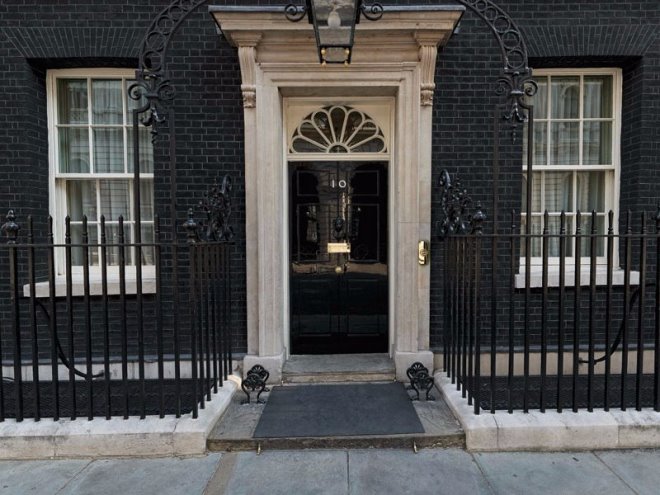
8. The Prime-Minister lives at 10, Downing Street. (Додаток 2.)
Questions:
1. What functions has Parliament ?
2. What function has the Government?
3. What does the King do?
4. What does the term constitutional monarchy means?
5. Why does the House of Lords have little political importance?
6. What do the letters MP stand for?
7. Is the King of the UK also the king of some other countries?
8. Who is the Prime-Minister of the UK?
3. Check yourself . Fill in the gaps with the information.
- The UK is _____________________________________.
- The first British constitution was _____________________.
- ______________________ is the head of the state.
- ____________________ is a symbol of Britain’s long history and tradition.
- The prime-minister is the head of ___________________.
- The second large party forms __________________________.
- The Parliament consists of ______________________.
- Members of _________________are elected by the voters of 650 constituencies.
- _________________________ has little political importance.
Theme: Places of interest of the UK. London – the capital of the country.
Answer the questions
What is the capital of Great Britain?
What river does London stand on?
What sights of London do you know?
Reading and discussing
1. Whatch a video.
https://www.youtube.com/watch?v=sqrEEFN7QsM
2. Read about the top 10 places of interest of the UK.
- Match the places with the given pictures.
#10. The Lake District National Park of England
Area -- 2,292 km2
Largest lakes Highest mountains
1. Windermere - 14.8 km2 1. Scafell Pike at 978 metres
2. Ullswater - 8.9 km2 2. Scafell at 964 metres
3. Derwentwater - 5.5 km2 3. Helvellyn at 950 metres
4. Bassenthwaite Lake - 5.3 km2 4. Skiddaw at 931 metres
5. Coniston Water - 4.0 km2 5. Great End at 910 metres
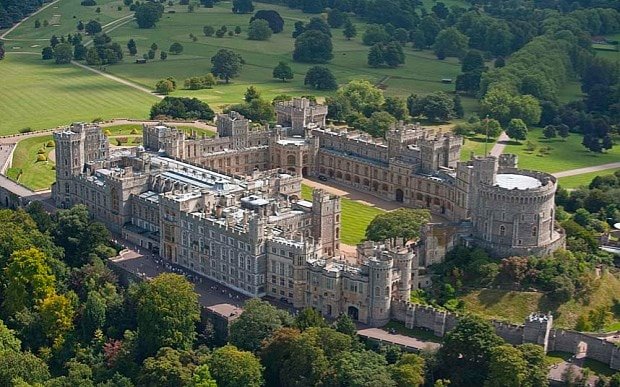
#9. Windsor castle
It is the oldest and largest occupied castle in the world.
Today more than 500 people live and work in the castle.
contains about 1,000 rooms and occupies 13 acres of land.
#8. Westminster Abbey
was built between 1245 and 1272, under the direction of King Henry III.
a large Gothic style church
known for it's royal burials and royal weddings
Over 3,000 famous people have been buried
Almost every British monarch has been crowned on the abbey's famous Coronation Chair.
#7. Edinburgh castle
Edinburgh Castle is built upon the massive Castle Rock, part of an ancient extinct volcano.
The One O'Clock Gun is a time signal, fired every day at precisely 13:00, excepting Sunday
The top of Castle Rock is more than 120 metres above sea-level and it stands 80 metres taller than the land surrounding it to the north, south and west.
#6. White Cliffs of Dover
The White Cliffs of Dover reach up to 300 feet in height and stretch for 10 miles to the east and west of the town of Dover.
are made of white chalk.
• On a clear day they can be seen from France.
#5. Tower
most remembered for the bloody executions, imprisonment and torture of the prisoners who were incarcerated in the great London castle.
There are 21 different towers which form a major part of the London castle complex. The expansion of the Tower of London, covering 18 acres, led to additional functions as:
• A Royal residence in London
• A Prison housing some very important state prisoners
• A place of trials, execution and torture
#4. Buckingham Palace
The palace has 775 rooms, including 19 state rooms, 52 royal and guest bedrooms, 188 staff bedrooms, 92 offices and 78 bathrooms.
Has been the official London residence of Britain's monarchs since 1837.'
There are 1,514 doors and 760 windows in the palace. The windows are cleaned every six weeks.
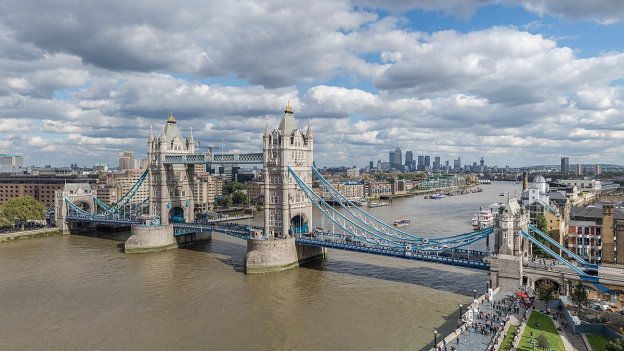
#3. Tower Bridge
Tower Bridge was built between 1886 and 1894
• Tower Bridge is 244 metres long and each tower is 65 metres high.
the bascules are raised more than 1000 times a year
#2. Parliament and Big Ben
Big Ben chimes every 15 minutes and the sound can be heard for a radius of up to 5 miles.
Whenever Parliament is in session, the Union Flag is flown from Victoria Tower.
The clock's time is adjusted every year with an old British penny. If the clock is fast, a penny is added to the pendulum, and if the clock is slow, one is removed.
#1. Stonehenge
• Stonehenge was built between 3100 -- 1100 BCE.
• The circle was aligned with the midsummer sunrise, the midwinter sunset, and the most southerly rising and northerly setting of the moon.
• There were two types of stones used in its construction: the 'bluestones' (weighing as much as four tons and brought from 240 miles away) and the Sarsen stones (averaging eighteen feet in height and twenty-five tons in weight).
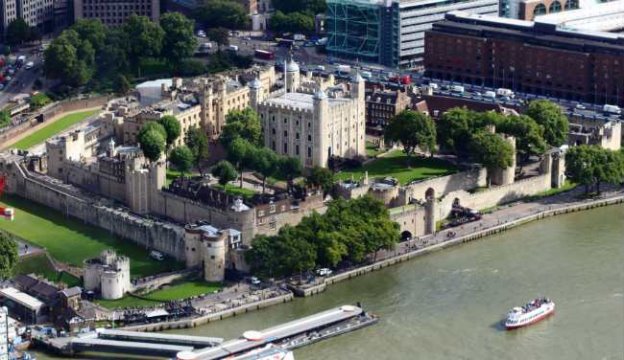 A)
A)
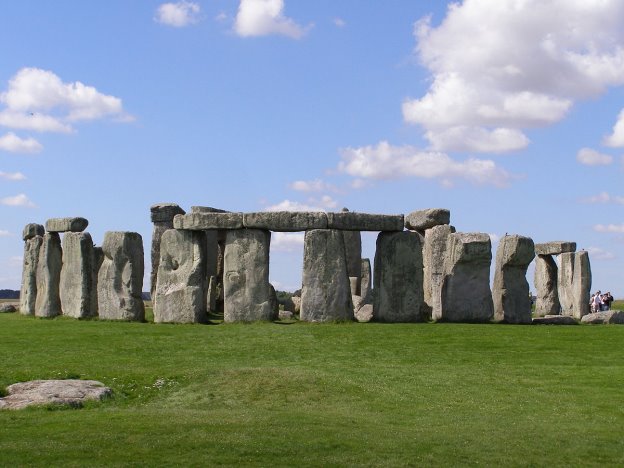 B)
B)
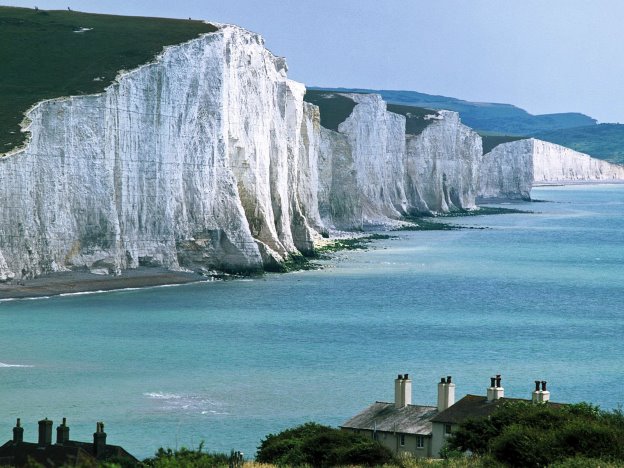
C)
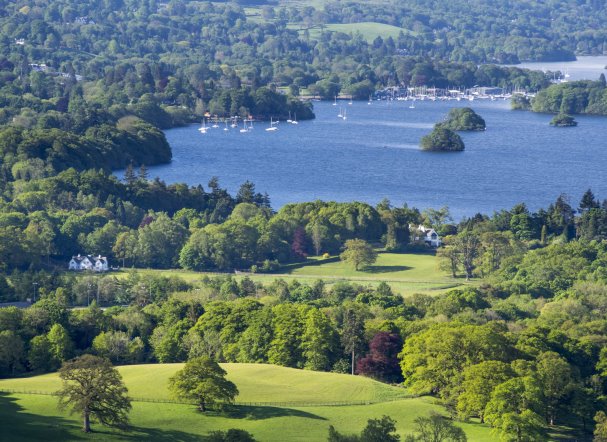 D)
D)
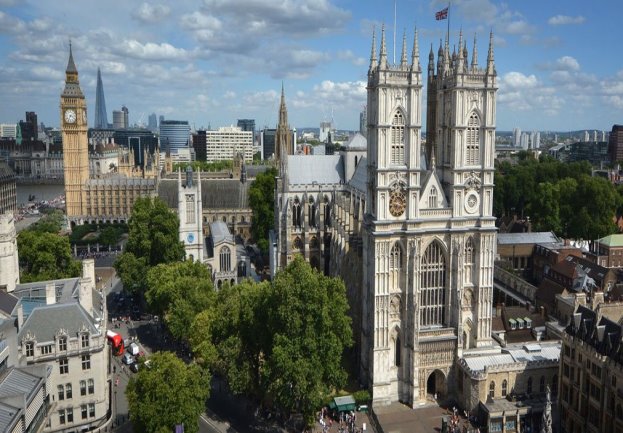 E)
E)
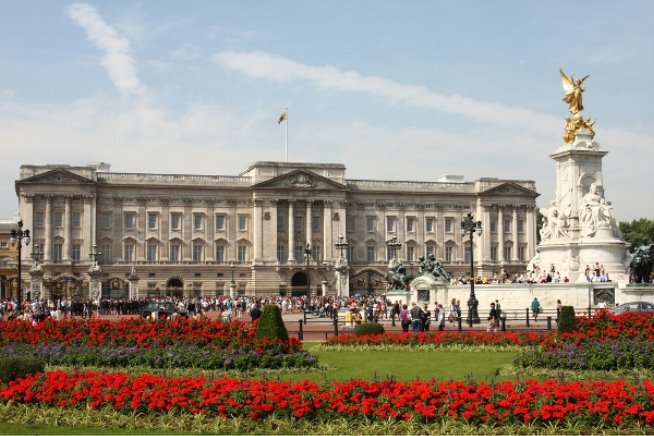 F)
F)
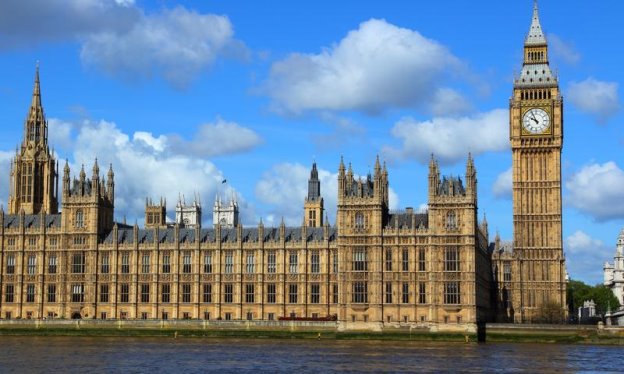 G)
G)
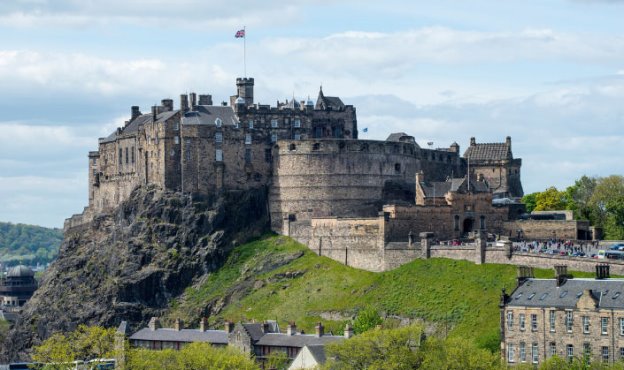 H)
H)
 I)
I)
J)
(Додаток 3.1. Key)
3. Watch a video
https://www.youtube.com/watch?v=WFRR0zC70-0
4. Read the text and choose the best answer (A-C) to complete the sentences
London
London is the capital of the UK, its political, economic and commercial center. It is one of the largest cities in the world and the largest in Europe. Its population is about 12 million. London is situated on the river Thames. It is very old and beautiful. It consists of four parts: the City, Westminster, the East End and the West End.
The City is the oldest part of London, its financial and business center. A lot of banks, offices and firms are concentrated here, including the Bank of England, the Stock Exchange and the Old Bailey. Few people live in the City, but over a million come to work here. The most famous sights of the City are St. Paul’s Cathedral and the Tower of London. St. Paul’s Cathedral was built in the 17th century by Christopher Wren. The Tower of London was used as a fortress, a prison and a palace. It is a museum now.
Westminster is the aristocratic official part of London. It includes Buckingham Palace where the King lives and the Houses of Parliament. The Clock Tower of the Houses of Parliament is famous for its big hour bell, known as “Big Ben”. Westminster Abbey is the place where nearly all the Kings and Queens are crowned. Many of them are buried there as well as some other famous people of the country (Ch. Dickens, T. Hardy, R. Kipling, Newton and others.).
The West End is the richest and the most beautiful part of London. There are many hotels, restaurants, shops, clubs, parks and houses there. One of the busiest streets in the West End is Oxford street. Trafalgar Square is the geographical center of London. The tall Nelson’s Column stands in the middle of the square. The national Gallery and the British Museum with its famous very rich library (about 7,000,000 books) are situated in the West End.
The East End is an industrial district of London. There are many factories and the Port of London there.
1. London is_______
A not very large
B one of the largest cities in the world
C the second largest city in Europe
2. London consists of______
A Westminster and the city
B the East End, the West End and the City
C the City, Westminster, the East End and the West End
3. The City is ______
A the aristocratic official part of London
B the richest and the most beautiful part of London
C the oldest part of London, its financial and business center
4. Westminster includes ______
A many hotels, restaurants, shops, clubs, parks and houses
B Buckingham Palace where the King lives and the Houses of Parliament
C many factories and the Port of London
5. The national Gallery and the British Museum are situated in ___
A the West End
B the middle of the square
C an industrial district of London
Listening.
Listen to the brief facts about different sights of London and guess what of them they are about.
1. This is the building where Big Ben is situated.
2. It is the tallest Ferris wheel in Europe and the most popular attraction in the UK
3. You can see wax figures of famous people in this popular museum.
4. This is the place where Nelson Column stands. And it's a geographical centre of London.
5. One of the greatest English churches, built by the famous English architect Sir Christopher Wren.
6. It is the largest park in the West End of London.
7. It's a place where the Prime Minister lives.
8. This is a place where we can see a lot of pictures of British painters.
(Додаток 3.2. Key)
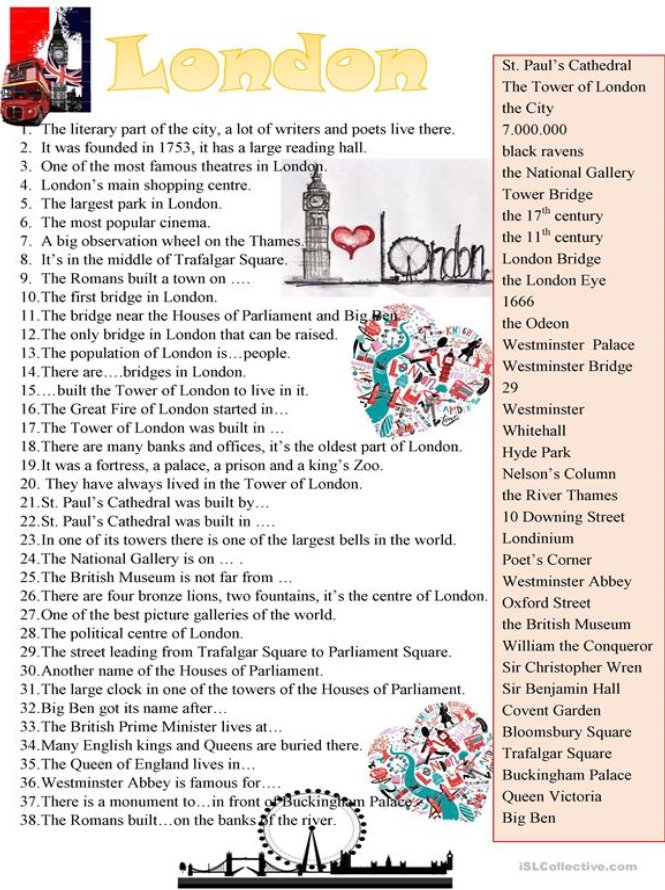
Tell the number from 1 to 38. Read the information and give the right answer.
Theme: Holidays and traditions in the UK.
Answer the questions
What holidays do we celebrate in Ukraine?
What of them are celebrated in the UK?
What popular British traditions do you know?
Do we have the same traditions in Ukraine?
Reading and discussing
1. Vocabulary work
Let’s get acquaintance with some words we need to talk about the UK holidays and traditions.
World List
angling — рибальство
pub (від public house) — паб, пивна
Dress down Friday — вільна п’ятниця
bank holidays — офіційні свята Великої Британії
New Year's Day — Новий рік
Good Friday — п’ятниця перед Великоднем
Easter Monday — понеділок після Великодня
May Day Bank Holiday —свято зустрічі весни
Spring Bank Holiday — весняний день відпочинку (останній понеділок травня)
August Bank Holiday — літній день відпочинку (останній понеділок серпня)
Christmas ['kri:sməs] Day — Різдво (25 грудня)
Boxing Day — День різдвяних подарунків (26 грудня)
St. Valentine's Day — День св. Валентина (14 лютого)
Shrove Tuesday (Pancake Day) — страсний вівторок (останній день перед великим постом)
the fasting of Lent — Великий пост
Mother's Day — День матері (четверта неділя посту)
April Fool's Day — День сміху (1 квітня)
Father's Day — День батька (святкується в червні)
Halloween [‚hæləu'i:n] — Хэллоуін (31 жовтня)
Guy Fawkes Night — Ніч Гая Фокса (вечір 5 листопада, день розкриття "порохового заговору)
dummy — опудало
St. David's [deividz] Day — День св. Давида (національний день Уэльса, 1 березня)
St. George's Day — День св. Георгія (національний день Англії, 23 квітня)
St. Andrew's Day — День св. Андрія (національний день Шотландії, 30 листопада)
St. Patrick's Day —День св. Патрика (національне свято Ірландії, 17 березня)
2. Reading.
1) Read about some of the most famous UK holidays and answer the questions
Which of the British holidays have heard of?
Which of them are celebrated in Ukraine as well?
Which ones are celebrated only in Britain?
Which of these holiday celebrations would you like to participate?
Holidays in the UK
In Great Britain there are public holidays that are called "bank holidays".
The term "bonk holiday" dates back to the 19th century. At that time all the banks were closed on these holidays. Now this term is no longer refered only to banks. Many other firms and offices are closed too.
Among these are eight holidays: New Year's Day, Good Friday, Easter Monday, May Day Holiday, Spring Bank Holiday, Late Summer {August) Bank Holiday, Christmas Day and Boxing Day.
New Year's Eve (December 31st) is more special for Scottish people, who celebrate it with their families. They sit the Old Year out and the New Year in. At midnight Scottish people hold their hands in a large circle and sing the song "Auld lang syne" by Robert Burns. That is how they celebrate the coming of a new year.
But it does not mean that New Year's Eve is not so popular throughout the country. People decorate their houses with bouquets of mistletoe.
Friday before Easter is called "Good Friday". People usually make special buns which are marked with a cross on top. On this day the Church marks Jesus Christ's death.
Easter Monday is the first Monday after Easter Day.
May Day Bank Holiday is celebrated on the first Monday after May Day (May 1st). People celebrate the coming of spring. They also select the most beautiful girl on this day, who becomes May Queen. Sometimes May poles are constructed with long coloured ribbons and children dance around these poles holding the ends of these ribbons.
Spring Bank Holiday is marked on the last Monday in May.
August Bank Holiday is the last Monday in August. British people usually go on picnics on spring and summer bank holidays.
The most popular bank holiday is Christmas Day. It is celebrated on December 25th. Christmas symbolizes the birth of Jesus Christ. On this day many people go to Churches, get Christmas presents and make a traditional Christmas dinner (roast turkey and pudding).
On this day children wait for a special person who will come down the chimney during the night and will bring them presents. It is Father Christmas. However, Santa Claus is used synonymously with Father Christmas. Children usually hang long socks or stocks on their beds and hope that Father Christmas will put his presents in them.
Christmas trees are set in the living-rooms and are decorated with toys by children.
Boxing Day is celebrated on December 26th. It comes straight away after Christmas Day. This is an old tradition, when in old times rich people used to give their servants money or "Christmas boxes". Now it is the day when people simply have rest or visit their friends.
Besides bank holidays, there are also different festivals reflecting interesting traditions and customs. Among them are: St. Valentine's Day, Shrove Tuesday {Pancake Day), April Fool's Day, Mother's Day {Mothering Sunday), Father's Day, Halloween and Guy Fawkes Night.
St. Valentine's Day is celebrated on February 14th. On this day people send Valentine cards and get presents and "valentines" from their sweethearts.
A valentine is a colourful card with tender love words composed by the sender. It is a kind of a love-token. Valentine cards are usually not signed. Those who get them must guess who the sender is.
Shrove Tuesday is the last day when you can eat and do everything before the fasting of Lent. It also has a popular name "Pancake Day" because many people traditionally eat pancakes on this day. Christians usually go to the church and confess their sins to a priest on Shrove Tuesday.
Mothering Sunday or Mother's Day is celebrated on the fourth Sunday in Lent in March. On this day mothers get presents from their sons and daughters. And all children despite their age return to their homes.
On April Fool's Day people play jokes and tricks on each other.
In June there is Father's Day. On this day fathers get gift cards and a lot of attention from their children.
Halloween is a holiday that is on October 31st. The most memorable symbol connected to this holiday is a lantern made of a pumpkin. A pumpkin is cut like a face and a candle is put inside of it. So it looks like a face with burning eyes.
Usually people dress in colourful costumes of witches and ghosts and go to fancy dress parties.
Children go from one house to another and say: "Trick or treat". If people do not refuse to give them something they sing. If they do refuse children play tricks.
Halloween is on the eve of All Saints' Day. The word "halloween" means "holy evening". The tradition of Halloween goes back with its roots to a time when people believed in evil spirits.
Guy Fawkes Night is celebrated in the UK on November 5th. This tradition comes from old times when King James I was on the throne. He was a Protestant that is why Roman Catholics did not like him because of the religious differences. In 1605 Roman Catholics made a plan to blow up the Houses of Parliament. They placed barrels with gunpowder under the House of Lords. The man called Guy Fawkes was one of those people. Nevertheless, they did not have a chance to blow up the Parliament because the King discovered their plan, his soldiers found Guy Fawkes and executed him. This happened on November 5th.
Since then British people mark this day by burning a dummy made of straw and old clothes on a bonfire. They call this dummy simply "a guy".
Alongside public holidays there are not least important holidays celebrated in the UK. They are the patron saint days: St. David's Day on March 1st (in Wales), St. George's Day on April 23d (in England), St. Andrew's Day on November 30th (in Scotland) and St. Patrick's Day on March 17th (in Northern Ireland). The only national holiday from this list is St. Patrick's Day for the Irish.
- What is the holiday?
• It's celebrated on January first.
• It's celebrated on the Tuesday 40 days before Easter.
• It's celebrated on February 14th.
• This solemn day is the Friday before Easter.
• This festival is held on April first.
• This is a bank holiday held on May first.
• It's celebrated on October 31st.
• It's celebrated on November fifth.
• It's celebrated on December 25th.
• This holiday is held on December 26th.
(Додаток 4.1. Key)
3. Watch the Videos. List the names of unusual holidays and traditions
https://www.youtube.com/watch?v=3gi01ldQbos
https://www.youtube.com/watch?v=WKgxpu1R_Iw
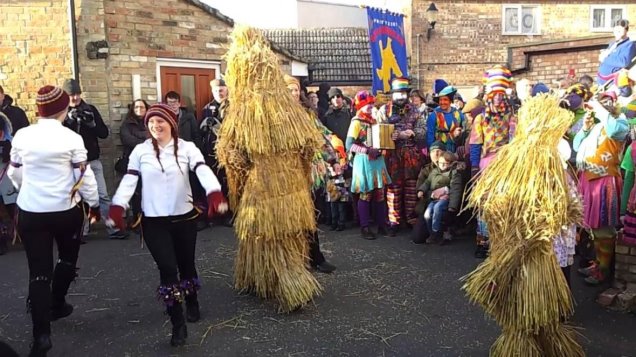
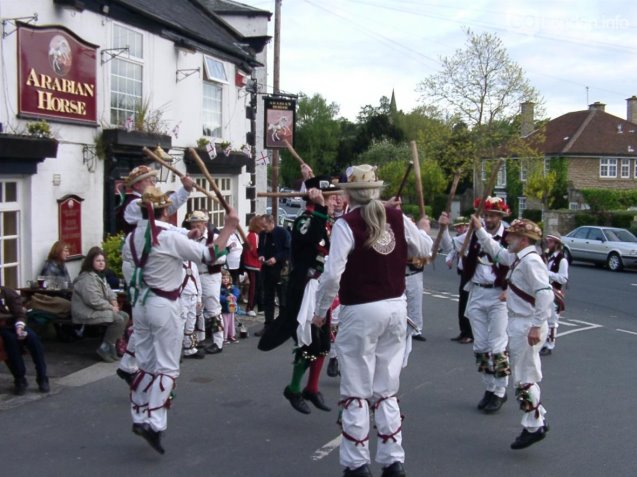
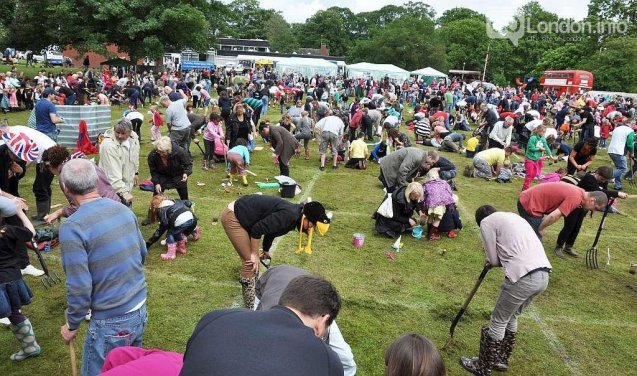
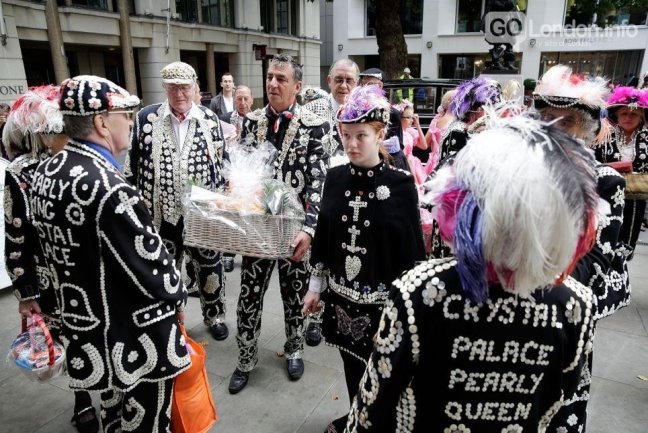
4. Read about Ten unusual British traditions and match them with the given pictures.
Ten unusual British traditions
1. Morris Dance. Morris dance is one of the types of English folk dance, which is accompanied by specific music. When the Morris dance is performed in small groups of one or two men, it is performed over a pair of clay smoke pipes laid crosswise on the floor. The choreography of this dance is built on rhythmic steps, made by a group of dancers. More often, props, such as handkerchiefs, sticks and swords, were used before, although the latter are already found only in demonstration performances. The etymology of the term "Morris" comes from "Moresca" - the Spanish dance, which originally was also performed with sabers.
2. Baiting worms. In the village of Willaston, near Nantwich (Cheshire), since 1980, baiting worms competitions have been held. Each participant is given a section of 3 by 3 meters. The competition has rules, as many as 18. But the main thing is the ban on using stimulants to lure worms (water is also included in their number).
3. Straw Bear Day. It is also called the "Day of Straw". This day is celebrated annually on January 7 in the Fenland region between Huntingdonshire and Cambridgeshire. Men and boys put on straw suits and go door-to-door, making dance performances. For this they are given money, food or beer. This day is considered the beginning of the agricultural year in England.
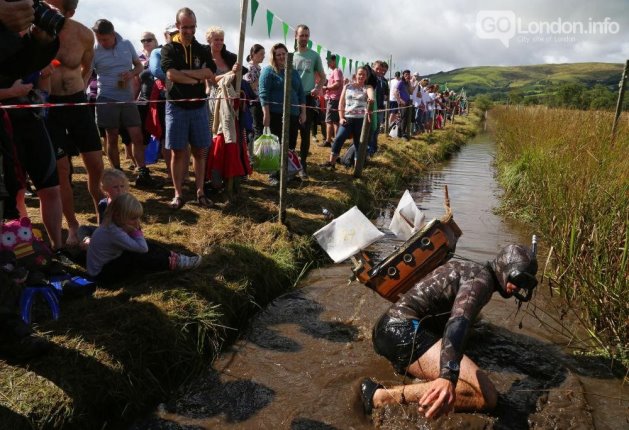
4. Scuba diving in the swamp. Participants wear flippers, a pipe and glasses, plunge into a trench filled with mud, where they chase each other. This event attracts a lot of spectators from all over the world, and its purpose is to collect money for charity.
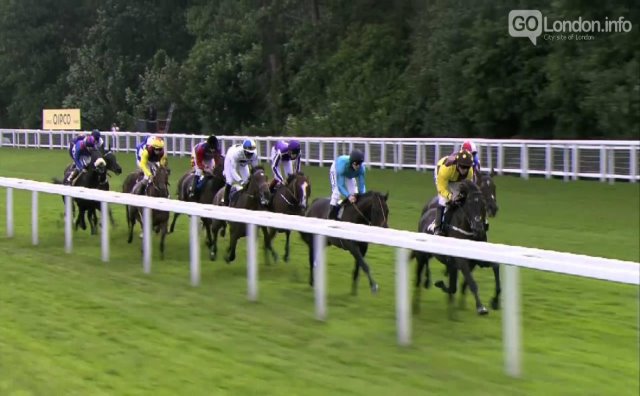
5. Royal horse racing. Royal races are held annually in the British town of Ascot, Berkshire County, and were founded in the 18th century by Queen Anne. Usually royal races are associated with elegant ladies in hats and gentlemen in tailcoats, however, this dress code is fulfilled only in the royal sector, guests in other sectors dress and behave more frivolously.
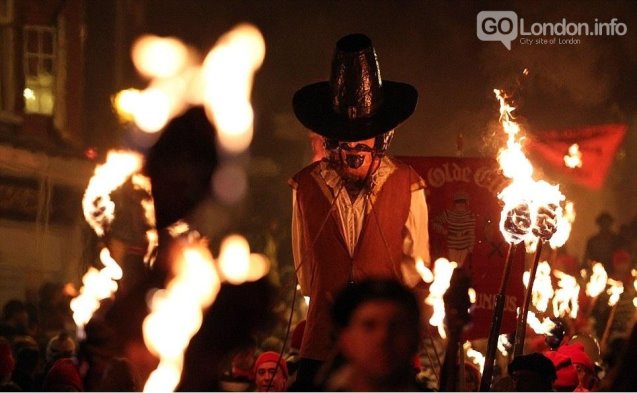
6. Night of Guy Fawkes. It is also called "The Night of Fires" or "The Night of Fireworks". On this night, people in the UK are lighting fires to burn the effigy of Guy Fawkes. Guy Fawkes himself is an English nobleman who lived in the 16th century, one of the participants of the Gunpowder Plot to overthrow King James I in 1602. It was him who was commissioned to light a wick leading to a powder-filled room under the House of Lords in London. This was the reason that the night was named in his honor.
7. Pearly Kings and Queens. The harvest festival of Pearly Kings and Queens of street vendors is an autumn holiday dedicated to harvesting and successful trade. Its participants wear clothes embroidered in pearls. The practice of wearing clothes decorated with pearl buttons, was born in the 19th century, and in 1911 a pearl society was organized in the north of London. Despite the plainness of the material, the costumes of the participants are richly decorated, the weight of each outfit can reach 30 kg. Pearly Kings and Queens sing songs, play on guitars and in every possible way have fun during the festival of harvest.
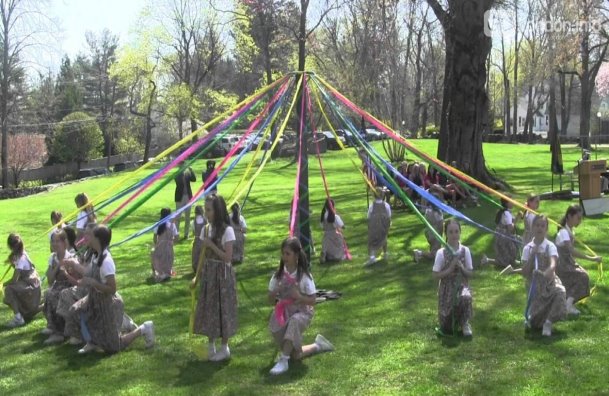
8. Maypole Dance. The Maypole dances are a kind of folk dance that came from Germany, England and Sweden. There are two forms of this dance. The first consists of dancers who perform circular dances around the high, garlanded pillar. Such pillar is usually called the "May Tree". In the second version of this dance, the dancers move around in a circle, each holding a colored ribbon attached to a much smaller pillar. Moving around the pillar, the dancers twist their ribbons either into the net around the pillar, or wrap around the pole. To untangle the ribbons, the dancers repeat the same steps back.
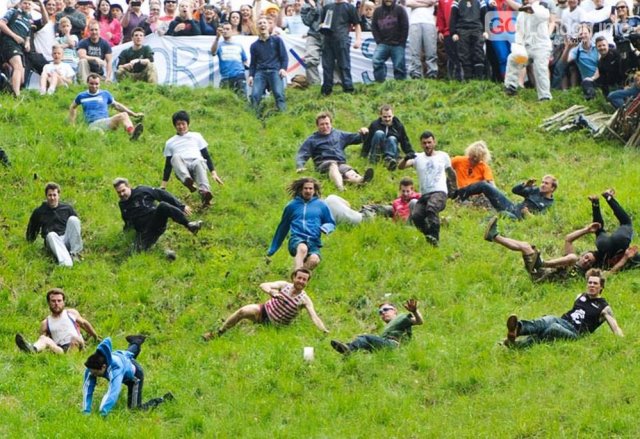
9. Cheese rolling on Cooper Hill. "The Cooper's Hill Cheese-Rolling and Wake" is an annual event held during the holidays in Cotswolds. Twenty participants are chase a piece of cheese rolling off the surface of the hill. Usually such event ends for participants of the race with injuries of varying severity, as the descent is steep and uneven. Traditionally, the festival was held for the residents of the local village, but now anyone from all corners of the earth can take part in it.
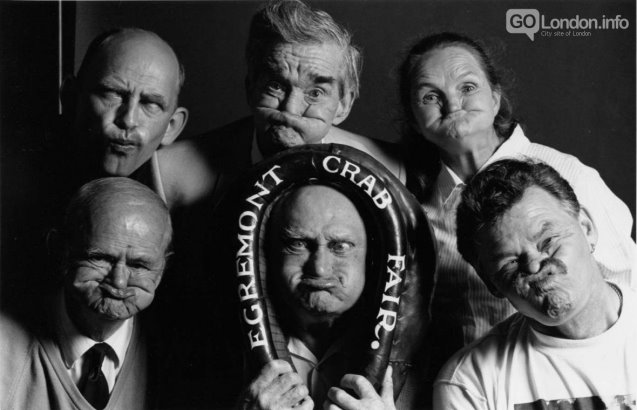
10. Squirming. Egremont Crab Fair – a fair of sour apples and "sour" faces. Participants of this unusual event compete in who squirms the most unusual and grotesque will look, as if they ate sour apples.
A)
B)
C)
D)
E)
F)
G)
H)
I)
J)
(Додаток 4. 2. Key)
Group work
Choose one of the holiday or traditions and write brief information about it. Work in groups.
|
Holidays Celebration |
|
|
|
|
|
|
Date |
|
|
|
|
|
|
Symbols Decorations Food |
|
|
|
|
|
|
Traditions |
|
|
|
|
|
Boxing day
https://www.youtube.com/watch?v=RNZFq6BAekc
ДОДАТКИ
Додаток 1.
The map of the United Kingdom of Great Britain and Northern Ireland
Додаток 2
10, Downing Street
Додаток 3
Додаток 3.1.
The top 10 places of interest of the UK.
Key
#10. The Lake District National Park of England - D)
#9. Windsor castle - J)
#8. Westminster Abbey - E)
#7. Edinburgh castle- H)
#6. White Cliffs of Dover - C)
#5. Tower - A)
#4. Buckingham Palace - F)
#3. Tower Bridge - I)
#2. Parliament and Big Ben - G)
#1. Stonehenge - B)
Додаток 3.2
Sights of London
Key
1. This is the building where Big Ben is situated. (The Houses of Parliament).
2. It is the tallest Ferris wheel in Europe and the most popular attraction in the UK. (The London Eye).
3. You can see wax figures of famous people in this popular museum. (Madam Tussaud’s).
4. This is the place where Nelson Column stands. And it's a geographical centre of London. (Trafalgar Square).
5. One of the greatest English churches, built by the famous English architect Sir Christopher Wren. (St. Paul's Cathedral).
6. It is the largest park in the West End of London. (Hyde Park)
7. It's a place where the Prime Minister lives. (Number 10 Downing Street.)
8. This is a place where we can see a lot of pictures of British painters (The National Gallery).
Додаток 4
Додаток 4.1
Key
What is the holiday?
• It's celebrated on January first. Answer New Year's Day
• It's celebrated on the Tuesday 40 days before Easter. Answer: Shrove Tuesday (Pancake Day).
• It's celebrated on February 14th. Answer: Valentine's Day.
• This solemn day is the Friday before Easter. Answer: Good Friday.
• This festival is held on April first. Answer: April Fool’s Day.
• This is a bank holiday held on May first. Answer: May Day.
• It's celebrated on October 31st. Answer: Halloween.
• It's celebrated on November fifth. Answer: Bonfire Night.
• It's celebrated on December 25th. Answer: Christmas.
• This holiday is held on December 26th. Answer: Boxing Day.
Додаток 4.2.
Ten unusual British traditions
Key
1. Morris Dance - G
2. Baiting worms - H
3. Straw Bear Day - F
4. Scuba diving in the swamp - E
5. Royal horse racing - A
6. Night of Guy Fawkes - C
7. Pearly Kings and Queens - I
8. Maypole Dance - J
9. Cheese rolling on Cooper Hill - B
10. Squirming - D
Висновки
Орієнтація нашої держави на світовий освітній простір пов’язана з прагненням визнання нашого вітчизняного фахівця та стандартів освіти у більшості високорозвинених країн. Наразі курс «Іноземної мова за професійним спрямуванням» є одним з найпотужніших та найважливіших галузей у системі освіти вищих навчальних закладах України.
На сучасному етапі модернізації освіти для викладача мета заняття вважається досягнутою, якщо студенти демонструють наявність міцних і глибоких знань з дисципліни, інтерес до його вивчення й прагнення до самоосвіти.
Методичні рекомендації покликані забезпечити формування більш повного уявлення про країну, мова якої вивчається, а також поглибити та розширити знання про вже відомі факти.
Викладений у методичній розробці матеріал дає можливість студентам оволодіти необхідним лексичним матеріалом, вміти узагальнювати, систематизувати та використовувати отриману інформацію.
Методичні рекомендації передбачають використання елементів інноваційних інтерактивних технологій та мультимедійних засобів, що сприяє ефективному засвоєнню матеріалу соціокультурної компетенції студентів, а також підвищує інтерес до вивчення англійської мови.
Лінгвокраїнознавство забезпечує мовну компетентність в питаннях міжмовного спілкування за допомогою адекватного розуміння культури мови співрозмовника і вихідних текстів.
Отже, навчання англійської мови за професійним спрямуванням полягає у формуванні позитивної мотивації, тобто прагнення студентів до практичного оволодіння іноземною мовою як засобом отримання інформації з фахового предмета, так і засобом міжкультурного спілкування, що реалізується за допомогою вдало підібраного країнознавчого матеріалу.
Перелік використаних джерел
1. Бессонова І. В. Англійська мова (за професійним спрямуванням). Частина II: Навч. посіб. для дистанційного навчання. – К.: Університет «Україна», 2005. – 263 с.
2. Гапонів А.Б., Возна М.О. Лінгвокраїнознавство. Англомовні країни //за ред.Бондаренко В.В.—Вінниця; НОВА КНИГА.—2005—464с. .
3. Лифар, А. А. English for Specific Purposes : навчальний посібник з дисципліни "Іноземна мова за професійним спрямуванням (англійська)" для здобувачів вищої освіти спеціальності "Ветеринарна медицина" / А.А. Лифар ; Міністерство освіти і науки України ; Полтавська державна аграрна академія. Кафедра іноземних мов та українознавства. - Київ : Ліра-К, 2017. - 192 с. – Анг.мовою
4. Селіванова О.І., Байкова О.М. Опановуючи англійську мову та культуру
(Велика Британія, Сполучені Штати Америки): Навчальний посібник —К.:Ленвіт,2008.—126с.
5. https://www.britannica.com/place/United-Kingdom
6. http://www.manythings.org/vocabulary/lists/e/
7. http://learnenglish.britishcouncil.org/
8. https://www.liveworksheets.com/
1
про публікацію авторської розробки
Додати розробку

 Зареєструватись за допомогою Google